
BMW vs. Mercedes-Benz: The Ultimate 2025 Luxury Showdown
For decades, the automotive world has looked to Germany for the pinnacle of luxury, performance, and engineering. At the forefront of this prestigious segment stand two titans: BMW and Mercedes-Benz. These brands don’t just compete; they define the very essence of premium motoring, constantly pushing boundaries in design, technology, and driving dynamics. As we accelerate into 2025, the rivalry intensifies, shaped by the rapid evolution of electric vehicles, advanced AI, and a discerning consumer base that demands nothing less than perfection.
Having navigated the luxury automotive landscape for over a decade, I’ve witnessed firsthand how both BMW and Mercedes-Benz have adapted, innovated, and consistently raised the bar. BMW, long hailed as “The Ultimate Driving Machine,” has historically prioritized driver engagement and athletic prowess. Mercedes-Benz, on the other hand, has built its legendary reputation on unparalleled comfort, opulent interiors, and a sense of refined prestige. But in 2025, these traditional personas are blurring, as both brands strive for a holistic luxury experience. The question isn’t just about what they do best, but how they perform across an increasingly diverse and technologically advanced portfolio.
This comprehensive 2025 comparison delves into every significant segment where these two giants clash, evaluating their offerings across critical criteria from compact urban adventurers to full-size electric flagships. We’ll examine their latest innovations, anticipate market trends, and ultimately help you navigate the exhilarating choice between two of the world’s most coveted luxury car brands.
The Evolving Landscape: Key Trends for 2025
Before diving into segment specifics, it’s crucial to acknowledge the overarching trends shaping the 2025 luxury market:
Electrification Dominance: EVs are no longer niche; they are mainstream. Expect longer ranges, faster charging, and a broader array of electric models. Performance EVs and luxury EV interiors are paramount.
AI & Connectivity: Voice assistants are more intuitive, infotainment systems are seamlessly integrated, and predictive AI enhances everything from navigation to climate control. Connected car features are standard.
Sustainable Luxury: Premium buyers are increasingly conscious of environmental impact. Expect more recycled materials, ethically sourced components, and transparent manufacturing processes.
Advanced Autonomy: Semi-autonomous driving features, including advanced driver assistance systems (ADAS), are becoming more sophisticated, edging closer to true hands-free driving in specific conditions.
Personalization: Customization options, from interior ambient lighting to tailored driving modes, offer an unprecedented level of bespoke ownership.
Now, let’s see how BMW and Mercedes-Benz stack up in this dynamic environment.
Luxury Compact Crossovers: Agile Urbanity Meets Premium Comfort
The compact luxury SUV segment continues its explosive growth, appealing to those seeking urban agility combined with elevated comfort and utility.
BMW’s Contenders: The 2025 X3 and X4
BMW has consistently set the benchmark here. The 2025 BMW X3, likely benefiting from a recent refresh or a full redesign, continues its reign with a blend of athletic handling, potent turbocharged engines, and a surprisingly spacious, driver-centric cabin. Its responsive steering and firm yet compliant suspension make it a joy to pilot through city streets or winding roads. Expect further refinement in the iDrive 9 infotainment system and increased integration of driver-assist technologies. The X4, with its distinctive coupe-like profile, sacrifices some rear headroom for a sportier aesthetic, appealing to those who prioritize style and driving engagement.
Mercedes-Benz’s Offerings: The 2025 GLB and GLC
Mercedes-Benz counters with the GLB and GLC. The 2025 Mercedes-Benz GLB continues to impress with its unique boxy design, maximizing interior volume and even offering optional third-row seating – a rare feat in this class. Its MBUX infotainment system, known for its intuitive voice commands (“Hey Mercedes”), remains a highlight. The GLC, often considered the heart of Mercedes’ SUV lineup, focuses on plush comfort, a serene ride, and an elegant cabin. While perhaps not as overtly sporty as the X3, the GLC offers a refined driving experience, particularly with its available air suspension and sophisticated interior appointments.
Verdict: BMW
For 2025, BMW likely retains its edge in this segment due to its superior driving dynamics and consistent performance across the X3 range. While the GLB’s practicality and the GLC’s comfort are compelling, BMW’s compact SUVs consistently deliver a more engaging and balanced overall package for the discerning driver.
Electric Sedans & SUVs: The Charge for the Future
The luxury EV market is the battleground of tomorrow, and both brands are heavily invested, pushing boundaries in range, charging, and the electric luxury experience.
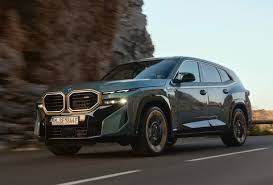
BMW’s Electric Armada: i4, i5, i7, and iX for 2025
BMW’s “i” sub-brand is maturing rapidly. The 2025 BMW i4, essentially an electric 4 Series Gran Coupe, offers a thrilling combination of performance and practicality, making it a compelling alternative to Tesla’s Model 3. The newly introduced 2025 BMW i5 and i7 (the electric 5 and 7 Series, respectively) offer electrified luxury at various price points, culminating in the i7’s opulent rear-seat experience and futuristic styling. For SUVs, the 2025 BMW iX stands out with its avant-garde design, powerful acceleration, and a spacious, tech-laden interior featuring innovative materials. BMW EVs are lauded for integrating their electric powertrains with BMW’s characteristic driving feel.
Mercedes-Benz’s EQ Line: EQE Sedan/SUV and EQS Sedan/SUV for 2025
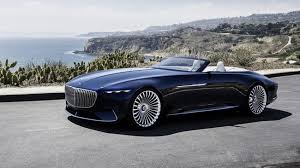
Mercedes-Benz’s EQ lineup continues to expand, emphasizing serene driving dynamics and breathtakingly luxurious, often screen-dominant, interiors. The 2025 Mercedes-Benz EQE Sedan and SUV offer a plush, quiet ride, excellent material quality, and the intuitive MBUX Hyperscreen (optional) for a truly immersive digital experience. The flagship 2025 Mercedes-Benz EQS Sedan and SUV elevate this further, delivering a whisper-quiet cabin, expansive range figures, and a focus on passenger comfort. Mercedes EVs excel in their ability to isolate occupants from the outside world, creating a true sanctuary on wheels.
Verdict: BMW
While Mercedes-Benz excels in creating ultra-luxurious EV interiors, BMW edges ahead in the overall electric portfolio for 2025. BMW offers a more diverse range of engaging electric vehicles that better balance performance, distinct design, and compelling technology, without the often-confusing nomenclature of the EQ range. Their focus on making an EV feel like a ‘true BMW’ resonates strongly with performance-oriented buyers.
Full-Size Luxury Sedans: The Pinnacle of Automotive Prestige
These flagships are where brands showcase their ultimate vision of luxury, technology, and status.
Mercedes-Benz’s Reign: The 2025 S-Class
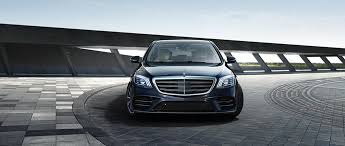
The 2025 Mercedes-Benz S-Class continues its unchallenged reign as the benchmark for luxury sedans. Its cabin is a masterclass in opulent design, featuring exquisite materials, serene comfort, and cutting-edge features like Level 3 semi-autonomous driving capabilities (where legally permissible) and the intuitive MBUX system. Every detail, from the ambient lighting to the massaging seats, is designed to pamper occupants, making long journeys feel effortless. The S-Class prioritizes the passenger experience, creating a mobile executive suite.
BMW’s Challenger: The 2025 7 Series and i7
The 2025 BMW 7 Series, along with its electric counterpart the i7, presents a bold, modern interpretation of the luxury sedan. Its polarizing exterior styling is matched by an interior that’s equally futuristic, highlighted by the Theatre Screen for rear passengers and the interactive BMW Interaction Bar. While the S-Class leans into timeless elegance, the 7 Series embraces avant-garde design and technology. It offers a more engaging driving experience than its Mercedes rival, particularly in its more powerful gasoline and hybrid variants, but its infotainment system can have a steeper learning curve.
Verdict: Mercedes-Benz
For 2025, the Mercedes-Benz S-Class remains the undisputed king of full-size luxury sedans. Its unparalleled blend of comfort, timeless elegance, and advanced, user-friendly technology offers an experience that few can rival. The 7 Series is a strong contender, especially for tech-forward drivers, but the S-Class consistently delivers a more universally accepted, sublimely luxurious experience.
Large Luxury SUVs: Executive Family Haulers
For those who need space, capability, and uncompromised luxury, these three-row behemoths deliver.
BMW’s Dominator: The 2025 X7
The 2025 BMW X7 is a formidable entry, scaling up the best attributes of BMW’s SUV lineup into a commanding three-row vehicle. Its chiseled exterior, luxurious interior finishes, and surprisingly agile handling for its size make it a favorite. With comfortable seating for seven and powerful engine options, including mild-hybrid assistance across the range, the X7 capably balances family utility with premium performance. The iDrive system, while powerful, requires some familiarity.
Mercedes-Benz’s Offering: The 2025 GLS and G-Class
The 2025 Mercedes-Benz GLS is a direct competitor to the X7, offering an equally upscale cabin, a pillowy ride, and the intuitive MBUX system. It exudes a more traditional luxury aesthetic, focusing on refinement and serene cruising. The G-Class, or G-Wagen, sits in a league of its own. While incredibly iconic and capable off-road, its rugged, purpose-built nature means it compromises on the everyday refinement expected of a large luxury SUV, making it more of a lifestyle statement than a direct competitor to the X7 or GLS.
Verdict: BMW
In the direct comparison of large, luxurious three-row SUVs, the 2025 BMW X7 maintains its lead. It strikes a superior balance between luxurious comfort, engaging driving dynamics, and everyday practicality. While the GLS is undeniably plush, the X7’s overall execution, particularly its driving feel and interior design, gives it the edge for the modern luxury SUV buyer.
Midsize Luxury Sedans: The Sweet Spot of Sophistication
This segment balances performance, comfort, and advanced technology for daily driving and extended trips.
Mercedes-Benz’s Anchor: The 2025 E-Class
The 2025 Mercedes-Benz E-Class, likely refreshed or redesigned, continues to be a cornerstone of the midsize luxury segment. It offers a near-perfect blend of ride comfort, a technologically advanced cabin, and sophisticated styling. The MBUX system, with its natural voice recognition, makes interacting with the vehicle seamless. Driver assistance features are comprehensive, making the E-Class a supremely safe and relaxing commuter. The companion CLE Coupe and Cabriolet also offer stylish two-door alternatives.
BMW’s Agile Player: The 2025 5 Series and i5
The 2025 BMW 5 Series, including its electric i5 variant, is a strong contender. While recent iterations have leaned slightly more towards comfort than the raw athleticism of its predecessors, it still delivers potent performance from a range of engines and an engaging driving experience. Its interior is refined, and the iDrive system is highly functional. BMW’s commitment to driving pleasure, even in a more comfort-oriented sedan, shines through.
Verdict: Tie
This segment remains a virtual tie for 2025. The Mercedes-Benz E-Class excels in its unparalleled comfort, technological integration, and elegant design, appealing to those who prioritize refinement. The BMW 5 Series, particularly in its higher trims and with its more engaging chassis, will appeal to drivers who still value a more dynamic connection with the road. The choice ultimately comes down to personal driving philosophy.
Midsize Luxury SUVs: The Versatile All-Rounders
Perhaps the most competitive segment, these SUVs combine family utility with premium appointments.
Mercedes-Benz’s Champion: The 2025 GLE
The 2025 Mercedes-Benz GLE continues to dominate this segment. Its spacious, exquisitely crafted cabin effortlessly blends modern technology with ergonomic design, featuring the impressive MBUX infotainment system and advanced comfort features. For 2025, expect further enhancements to its mild-hybrid powertrains and potentially advanced plug-in hybrid options, offering excellent fuel efficiency and refined performance. Its smooth ride and comprehensive suite of safety features make it a top choice for families and individuals alike. Mercedes also offers the sportier GLE Coupe for those desiring a more aggressive silhouette.
BMW’s Athletic Alternative: The 2025 X5 and X6
The 2025 BMW X5 is equally revered, offering an upscale interior and handling that is distinctly more athletic than its Mercedes counterpart. Its powerful engines, precise steering, and optional air suspension create a dynamic driving experience. For 2025, expect refinements to its already robust technology suite, including advancements in active lane-keeping and parking assistance. The X6, the coupe version of the X5, appeals to those prioritizing style and a bolder statement.
Verdict: Mercedes-Benz
The 2025 Mercedes-Benz GLE takes the top spot. While the BMW X5 is incredibly capable and sporty, the GLE’s ability to combine a truly luxurious and spacious interior with a remarkably comfortable and refined ride, alongside cutting-edge technology, gives it a slight edge in this highly competitive arena.
Small Luxury Sedans: The Gateway to German Engineering
These models serve as entry points, offering premium features in a more compact, often sportier, package.
BMW’s Icon: The 2025 3 Series
The 2025 BMW 3 Series maintains its status as one of the best small luxury sedans on the market. It remains immensely fun to drive, boasting powerful and efficient engines, responsive handling, and a surprisingly roomy interior for its class. The 3 Series epitomizes BMW’s “Ultimate Driving Machine” ethos in a practical package. The sporty 2 Series Coupe and versatile 4 Series (coupe, convertible, Gran Coupe) further broaden BMW’s appeal in this compact performance space.
Mercedes-Benz’s Refined Offering: The 2025 C-Class and CLA
The 2025 Mercedes-Benz C-Class offers a more comfort-oriented approach. Its interior is a scaled-down version of the S-Class, providing a high level of luxury and advanced technology, including a prominent central touchscreen. While comfortable and refined, it doesn’t quite match the 3 Series’ dynamic engagement. The entry-level CLA, a four-door coupe, brings a distinctive design and a youthful vibe, packing substantial tech into its sharp interior, appealing to a younger, style-conscious demographic.
Verdict: BMW
For 2025, the BMW 3 Series continues to lead this segment. Its superior driving dynamics, blend of performance and practicality, and iconic status make it the more compelling choice for those seeking an engaging premium compact sedan. The C-Class is a superb luxury car, but the 3 Series is still the benchmark for driving enjoyment.
Performance and Sports Cars: Adrenaline on Wheels
For the enthusiast, these vehicles represent the ultimate expression of automotive passion and engineering.
BMW’s M Division: M2, M3, M4, M5, Z4 for 2025
BMW’s M division consistently delivers thrilling performance. The 2025 BMW M2 is arguably the most visceral and true to BMW’s performance heritage. The M3 and M4 (sedan and coupe, respectively) remain legendary sport sedans and coupes, offering potent engines, precise handling, and aggressive styling. The Z4 provides a fantastic open-air driving experience with strong performance. For 2025, expect further integration of mild-hybrid technology and potentially even pure electric M performance models, maintaining their competitive edge.
Mercedes-AMG’s Powerhouses: AMG GT, SL, C63, E63 for 2025
Mercedes-Benz’s AMG division offers a range of dedicated sports cars and high-performance variants. The 2025 Mercedes-AMG GT, with its handcrafted engine and track-focused capabilities, is an exhilarating, purpose-built sports car. The SL, reborn as an AMG, is a luxurious droptop grand tourer, blending performance with supreme comfort. AMG also offers potent versions of nearly every Mercedes-Benz model, such as the C63 and E63, delivering astonishing power and sophisticated all-wheel-drive systems. For 2025, AMG continues its electrification journey, with impressive hybrid performance.
Verdict: BMW
In the realm of pure performance and driver engagement, BMW’s M cars for 2025 maintain a slight edge. Their ability to deliver a raw, unadulterated driving experience, coupled with legendary chassis tuning, appeals directly to the enthusiast. While AMG’s offerings are undeniably powerful and luxurious, BMW’s M models often feel more connected and communicative, upholding the brand’s performance legacy.
Subcompact Luxury SUVs: Maximizing Small Spaces
These vehicles offer luxury and versatility in a city-friendly footprint.
BMW’s Frontrunner: The 2025 X1 and X2
The 2025 BMW X1 continues to impress, punching above its weight in terms of space utilization and standard features. Its well-crafted cabin and balanced handling, offering a terrific blend of comfort and responsiveness, make it a standout. The X2, a sportier, coupe-styled sibling, offers a more dynamic look, though with slightly less cargo space, it still delivers on fun and functionality. Both X1 and X2 represent excellent value in the premium subcompact segment.
Mercedes-Benz’s Contender: The 2025 GLA
The 2025 Mercedes-Benz GLA is a fun-to-drive subcompact SUV with an upscale cabin and distinctive styling. However, it often feels less refined than other Mercedes SUVs and can be tight on cargo space, ranking mid-pack in comparison. While it offers a strong dose of Mercedes luxury and tech, it doesn’t quite maximize its interior volume or driving dynamics to the same extent as the X1.
Verdict: BMW
The 2025 BMW X1 comfortably secures the win in the subcompact luxury SUV category. Its clever packaging, premium features, and superior balance of comfort and engaging driving dynamics make it the more compelling and practical choice for urban dwellers seeking a luxurious small SUV.
Cross-Cutting Criteria: Beyond the Segments
Beyond individual vehicle comparisons, how do these brands stack up on fundamental attributes crucial to the luxury experience?
Interior Design & Experience:
Mercedes-Benz traditionally excels here, and for 2025, that trend holds true. Whether it’s the S-Class’s unparalleled opulence, the E-Class’s high-tech elegance, or the GLE’s refined comfort, Mercedes-Benz consistently sets the bar for automotive interiors. Their use of premium materials, advanced ergonomic design, and the visually stunning MBUX Hyperscreen (in EQ models) creates a true sanctuary. BMW has made significant strides, particularly in models like the X1, X3, and i7, offering outstanding build quality and innovative digital experiences with iDrive. However, across the board, Mercedes-Benz generally delivers a more consistently lavish and sophisticated cabin ambiance.
Winner: Mercedes-Benz
Performance & Driving Dynamics:
This has long been BMW’s territory, and for 2025, they continue to uphold their reputation. From the agile 3 Series to the potent M models, BMW vehicles are engineered to excite the driver. Their steering feel, chassis balance, and responsive powertrains (including their electric “i” models) deliver a uniquely engaging experience. While Mercedes-Benz offers incredible performance through its AMG division and powerful engines across its lineup, its core models prioritize comfort. BMW’s philosophy remains rooted in the driver’s connection to the road.
Winner: BMW
Technology & Innovation:
Both brands are at the forefront of automotive technology. Mercedes-Benz shines with its intuitive MBUX system, particularly its natural language voice assistant and the immersive Hyperscreen. Their advancements in ambient lighting, sophisticated driver profiles, and Level 3 autonomous driving (where legal) are truly impressive. BMW counters with the refined iDrive 9, an emphasis on seamless smartphone integration, augmented reality features, and innovative digital keys. Both offer cutting-edge ADAS suites. However, Mercedes’ MBUX system often feels more user-friendly and aesthetically integrated into the cabin.
Winner: Mercedes-Benz
Safety & Driver Assistance:
Both German marques offer exemplary safety scores and a comprehensive array of advanced driver assistance systems (ADAS). Features like adaptive cruise control with lane centering, automatic emergency braking, blind-spot monitoring, and surround-view cameras are standard or widely available. For 2025, expect further enhancements in predictive safety systems leveraging AI and more sophisticated Level 2+ and Level 3 (conditional) autonomous driving capabilities. Independent safety ratings from organizations like the IIHS and NHTSA consistently place models from both brands at the top. It’s difficult to definitively declare one superior, as both are leaders.
Winner: Tie
Reliability & Ownership Experience:
Historically, luxury brands have faced scrutiny over long-term reliability. For 2025, both BMW and Mercedes-Benz have improved significantly. While specific model scores vary, BMW often shows a slight edge in overall predicted reliability scores from sources like J.D. Power, with models like the X1, X3, 2 Series, and 7 Series consistently performing well. Mercedes-Benz also offers solid reliability, with the E-Class and GLE often scoring highly. Both brands back their vehicles with competitive four-year/50,000-mile warranties, with extended coverage for EV batteries (typically 8-10 years/100,000-150,000 miles). Considering the initial investment, long-term dependability and excellent service networks are critical.
Winner: BMW
The Ultimate 2025 Winner Is…
After a thorough segment-by-segment breakdown and a deep dive into core attributes, the competition between BMW and Mercedes-Benz in 2025 remains fiercely close, yet a clear pattern emerges.
Overall Winner: BMW
BMW slightly edges out Mercedes-Benz in this 2025 showdown. While Mercedes-Benz continues to set the gold standard for luxurious interiors, cutting-edge infotainment, and the ultimate in refined comfort, BMW consistently delivers a more comprehensive and engaging package across a broader range of segments. BMW’s commitment to dynamic driving, robust electric vehicle offerings, and a slight lead in predicted reliability makes it the preferred choice for those who value performance and driver involvement alongside luxury.
BMW has masterfully evolved, demonstrating that its vehicles can be both exhilarating to drive and supremely refined, modern, and laden with the latest technology. Their consistent performance across diverse vehicle types, from subcompact SUVs to their electric flagships, showcases their engineering prowess.
Mercedes-Benz, on the other hand, truly excels in creating opulent, serene driving environments that prioritize passenger comfort and technological sophistication. If your definition of luxury leans heavily towards a plush, quiet, and technologically advanced sanctuary, Mercedes-Benz remains an exceptional choice.
As the luxury automotive market continues its rapid transformation, particularly with the acceleration of the EV market and AI integration, both brands are positioned to redefine premium motoring. But for now, for the discerning buyer seeking a balanced blend of driver engagement, innovation, and broad appeal, BMW holds the narrow lead in 2025.
As you navigate the exciting 2025 luxury automotive market, the choice between a BMW and a Mercedes-Benz remains a deeply personal one. We invite you to experience these engineering marvels firsthand, delve deeper into their unique offerings, and discover which truly aligns with your vision of premium driving. Your ultimate luxury vehicle awaits.