
BMW vs. Mercedes-Benz: The Definitive 2025 Luxury Showdown
Having navigated the premium automotive market for over a decade, witnessing countless shifts in design, technology, and consumer priorities, one rivalry remains an unwavering cornerstone: BMW versus Mercedes-Benz. These two German titans aren’t just manufacturers; they are custodians of luxury, performance, and innovation, perpetually pushing boundaries. As we stand on the cusp of 2025, the automotive landscape is more dynamic than ever, with electrification, advanced autonomous features, and hyper-personalized digital experiences redefining what it means to own a truly premium vehicle.
Gone are the days when BMW was solely “The Ultimate Driving Machine” and Mercedes-Benz exclusively epitomized “The Best or Nothing” in comfort. While those core philosophies still resonate, both brands have significantly broadened their appeal, blurring lines and forcing potential buyers into a delightful, yet challenging, dilemma. This comprehensive comparison for 2025 delves into every crucial segment and attribute, helping you discern which badge aligns best with your vision of luxury. From exhilarating sports sedans to capacious electric SUVs, and from cutting-edge infotainment to long-term ownership value, we’ll explore which brand truly leads the charge into the future of high-end motoring.
Luxury Compact SUVs: The Urban Elite’s Choice
The compact luxury SUV segment remains a hotbed of competition, perfectly blending practicality with prestige for urban dwellers and small families. For 2025, BMW continues to impress with its X3 and its coupe-styled sibling, the X4. The X3, in particular, offers a remarkably balanced package: a spacious, elegantly designed cabin, responsive handling that feels more car-like than SUV-like, and a range of robust powertrains, including an efficient plug-in hybrid option. Its iDrive infotainment system, refined over generations, is intuitive and features crisp graphics, making digital interaction seamless. The X3’s engaging driving dynamics firmly plant it in BMW’s performance heritage, even in this more utilitarian form.
Mercedes-Benz counters with the GLC and the more versatile, optional three-row GLB. The 2025 GLC arrives with a refreshed interior, borrowing heavily from its larger siblings, boasting an opulent cabin trimmed in high-quality materials and powered by the intuitive MBUX infotainment system. Its ride quality is sublimely smooth, prioritizing comfort and refinement over outright sportiness. The GLB offers a unique proposition with its boxier, more practical design and the availability of a third row, a rarity in this class, albeit a snug one. While the GLC offers a plush experience, the BMW X3 edges it out for sheer driving enjoyment and overall cabin spaciousness, giving BMW the slight advantage here.
Luxury Electric Cars: The Silent Revolutionaries
The electric luxury car segment is evolving at an astonishing pace, and both German marques are heavily invested. BMW’s 2025 electric lineup is robust, featuring the sleek i4 – essentially an electric 4 Series Gran Coupe – and the executive i7, an electric counterpart to the flagship 7 Series. The i4 delivers classic BMW driving dynamics, now with instant EV torque, making it incredibly engaging. Its interior blends traditional luxury with futuristic tech, centered around the expansive Curved Display. The i7, however, is a true statement, offering futuristic styling, immense power, and an interior that redefines luxury with its available 31-inch Theater Screen. BMW’s strategy of electrifying existing popular platforms has paid dividends in terms of familiarity and dynamic prowess.
Mercedes-Benz, with its dedicated EQ sub-brand, offers the EQE Sedan and EQS Sedan. These models distinguish themselves with their aerodynamic “one-bow” design, prioritizing efficiency and a serene driving experience. The EQS, in particular, showcases the breathtaking Hyperscreen, integrating three displays into one seamless panel, providing an unrivaled tech-forward cabin. Both EQ models offer exceptionally quiet and comfortable rides, truly isolating occupants from the outside world. However, their unique exterior styling can be polarizing, and while competent, they don’t quite match BMW’s i-models for pure driver engagement. BMW’s dual approach of electrifying existing models while also developing bespoke EVs like the iX seems to be yielding a more diverse and compelling portfolio for 2025, giving them the edge in this rapidly expanding category.
Luxury Electric SUVs: Family Haulers of the Future
Electric SUVs are quickly becoming the bedrock of family luxury, offering space, practicality, and zero-emissions driving. BMW’s flagship electric SUV, the iX, continues to impress for 2025. Its bold, futuristic aesthetic might not be for everyone, but its interior is a masterclass in modern minimalist luxury. The iX boasts rapid acceleration, a commanding driving position, and a surprisingly agile chassis for its size. Its cabin is exceptionally spacious, laden with cutting-edge technology, and crafted from sustainable materials, offering ample room for passengers and cargo. It sets a high bar for what an electric luxury SUV should be.
Mercedes-Benz offers a broader, though sometimes confusing, array of electric SUVs: the compact EQB, the midsize EQE SUV, and the full-size EQS SUV. The EQB, based on the GLB, provides a more conventional SUV shape and optional third-row seating, appealing to practicality. The EQE SUV and EQS SUV share the dedicated EQ platform, offering elegant interiors and incredibly smooth rides. The EQS SUV, while opulent, sometimes sacrifices cargo capacity for its sleek design, and the EQE SUV has faced criticism for its range in certain configurations. While Mercedes offers more choices, the BMW iX stands out as a more complete, thoughtfully designed, and dynamically superior package, delivering a more compelling all-around premium electric SUV experience.
Luxury Large Cars: Flagship Statements
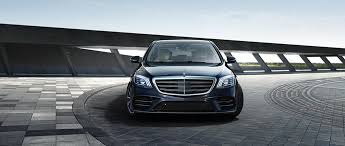
When it comes to the ultimate statement of luxury and executive transport, large sedans remain paramount. For 2025, the Mercedes-Benz S-Class continues its reign as the undisputed benchmark. Few vehicles can rival the sheer comfort, opulence, and technological prowess of the S-Class. Its cabin is a sanctuary, shielding occupants from the outside world with impeccable sound deadening and sumptuous materials. The MBUX infotainment system in the S-Class is highly sophisticated, offering advanced voice commands and intuitive controls. It’s not just a car; it’s an experience of serene elegance and unmatched prestige.
The BMW 7 Series, completely redesigned recently, offers a bold, modern interpretation of luxury. Its exterior design is polarizing, but the interior is a technological marvel, featuring an Executive Lounge package that transforms the rear cabin into a mobile office or entertainment hub. While the 7 Series delivers more engaging handling than the S-Class, aligning with BMW’s sporting heritage, its infotainment system, though powerful, has a steeper learning curve. Ultimately, for the sheer comfort, unparalleled refinement, and timeless grandeur that defines a true luxury flagship, the S-Class maintains its preeminent position.
Luxury Large SUVs: The Executive Family Haulers
Large luxury SUVs cater to those who demand supreme comfort, space, and capability, often with three rows of seating. The BMW X7 for 2025 continues to impress by scaling up the best attributes of BMW’s SUV lineup into a grand, seven-passenger machine. It boasts a strikingly designed interior with premium materials, and its first and second-row seats offer exceptional comfort for adults. Despite its size, the X7 handles with a surprising degree of agility, offering a genuinely engaging driving experience for a vehicle of its stature.
Mercedes-Benz offers two distinct large SUVs: the elegant GLS and the iconic, rugged G-Class. The GLS is the direct competitor to the X7, offering an equally upscale cabin, a refined ride, and the intuitive MBUX system. It’s a superb choice for those prioritizing comfort and understated luxury. The G-Class, or G-Wagen, is in a league of its own, a high-class off-road icon. While incredibly capable and boasting immense curb appeal, its truck-like underpinnings and focus on off-road prowess can compromise its on-road luxury vehicle characteristics compared to its more refined rivals. For a blend of luxury, dynamic driving, and practical spaciousness, the BMW X7 offers a more holistic package, granting it the win here.
Luxury Midsize Cars: The Core of the Executive Segment
The midsize luxury sedan segment is where these brands truly built their reputations, offering a balance of performance, luxury, and everyday usability. The Mercedes-Benz E-Class stands out as a cornerstone, completely reimagined for 2025 with a “digital super-screen” that extends across the dashboard. Its ride is supremely comfortable and refined, living up to the brand’s heritage, while the advanced MBUX system can feel overwhelmingly high-tech at times. The E-Class also boasts an impressive suite of driver-assistance technologies, pushing the envelope for semi-autonomous driving capabilities.
BMW’s 5 Series, also recently redesigned, maintains its strong presence in the segment. While its predecessors were lauded for their sharp steering feedback, the current model has leaned slightly more into comfort and technological integration, though it still offers a formidable lineup of potent engines and engaging dynamics. The all-electric i5 variant further broadens its appeal. Both vehicles are excellent, but for 2025, the E-Class, with its avant-garde interior and unwavering focus on serene comfort, just edges out the 5 Series, especially for those prioritizing technological immersion and ride refinement. It’s a very close call, but the E-Class feels like the fresher, more innovative offering for the moment.
Luxury Midsize SUVs: The Everyday Premium Utility
Midsize luxury SUVs are arguably the most competitive segment, offering a versatile blend of space, power, and premium features. The Mercedes-Benz GLE continues to excel here, earning its top-tier status for 2025. It offers a supremely spacious and refined cabin, seamlessly integrating modern technology without overwhelming the driver. With standard all-wheel drive, an updated infotainment system, and new plug-in hybrid options, the GLE is a compelling package. Its ride is plush and composed, easily soaking up road imperfections.
BMW’s X5 is an equally revered contender. It boasts an upscale interior, though perhaps less overtly opulent than the GLE, and offers significantly more athletic handling. For the 2025 model year, the X5 introduces enhanced active lane-change assist features, underscoring BMW’s commitment to driver aids. BMW also offers the coupe-styled X6 for those seeking a more distinctive profile. Mercedes-Benz counters with its own coupe-SUV, the GLE Coupe, which maintains much of the standard GLE’s refinement. While the X5 offers a sportier driving experience, the GLE’s ability to effortlessly blend luxury, technology, and comfort in a practical package makes it a slightly more compelling choice for the majority of buyers in 2025.
Luxury Small Cars: Entry Point to Prestige
The small luxury car segment is often the entry point into these prestigious brands, and it’s a crucial battleground for cultivating future loyalty. The BMW 3 Series has long been the benchmark for sport sedans, and the 2025 model continues this legacy. It remains incredibly fun to drive, with powerful engines, precise steering, and a spacious, driver-focused interior. Its blend of everyday usability and genuine driving excitement makes it a perennial favorite.
Mercedes-Benz offers the C-Class, a formidable rival that prioritizes comfort and miniature S-Class levels of luxury. While impeccably comfortable and featuring a beautiful, tech-rich cabin, it doesn’t quite match the 3 Series for sheer driver engagement. BMW also provides the sporty 2 Series Coupe and the versatile 4 Series (available as a coupe, convertible, and Gran Coupe). Mercedes-Benz’s CLA, an entry-level four-door coupe, packs a lot of tech and style into a compact footprint but can feel less refined than its larger siblings. For those seeking the classic premium driving experience that blends sportiness with luxury, the BMW 3 Series still reigns supreme in 2025.
Luxury Sports Cars: Adrenaline and Prestige
In the realm of luxury sports cars, where driving passion meets premium craftsmanship, both brands offer compelling, albeit distinct, propositions. BMW maintains a strong edge for pure performance driving. The M3 and M4 are legendary sport sedans and coupes, respectively, delivering brutal power and razor-sharp handling. The M2 is arguably the most authentic embodiment of BMW’s performance heritage for 2025, a compact, potent machine designed for driver exhilaration. For open-air enthusiasts, the Z4 roadster offers a blend of performance and flair.
Mercedes-Benz, through its AMG division, offers dedicated sports cars like the exhilarating AMG GT, a true supercar challenger. The SL Roadster, while offering strong performance, leans more into the grand touring category, providing a luxurious droptop experience. While the AMG GT is a sensational machine, BMW’s broader range of M cars, offering performance variants across multiple segments, provides a more accessible and diverse portfolio of driving machines. BMW’s M division consistently delivers on the promise of “The Ultimate Driving Machine,” making it the winner in the luxury sports car category.
Luxury Subcompact SUVs: The Nimble City Navigators
Subcompact luxury SUVs are increasingly popular for their maneuverability and premium feel in urban environments. The BMW X1 stands out as a clear leader in this class for 2025. It makes excellent use of its compact size, featuring a sharp, well-crafted cabin with a generous list of standard features. Its handling strikes a remarkable balance between comfort for daily commuting and responsive dynamics when the road opens up. BMW also offers the more stylish, less practical X2, which still delivers a fun and functional experience.
The Mercedes-Benz GLA is Mercedes’ entry here. While it offers an upscale cabin and is enjoyable to drive, it doesn’t quite achieve the same level of refinement or cargo capacity as other Mercedes SUVs. Its ride can be a bit firmer than expected for a Mercedes. For a blend of practicality, premium features, and genuinely enjoyable driving dynamics in a small package, the BMW X1 truly excels.
Overall Brand Attributes: Beyond the Segments
Beyond individual model comparisons, the overall brand philosophies and strengths play a critical role in defining the luxury experience.
Safety: Advanced Protection for 2025
Both BMW and Mercedes-Benz are at the forefront of automotive safety, equipping their 2025 lineups with comprehensive driver assistance technologies and achieving stellar crash test ratings. Features like advanced forward collision avoidance, lane-keeping assist, adaptive cruise control with stop-and-go functionality, and sophisticated parking aids are standard or widely available across their ranges. BMW models like the 2 Series, 3 Series, 5 Series, and X3 consistently achieve top safety scores from agencies like IIHS and NHTSA. Mercedes-Benz’s C-Class, E-Class, GLC, and GLE are equally impressive. While both offer robust protection, BMW’s slightly wider range of top-rated conventional vehicles for 2025 (as electric models often await specific testing) gives it a marginal lead in overall safety assessment.
Performance: Driving Excitement vs. Refined Power
Historically, this has been BMW’s domain, and for 2025, they continue to deliver. From the legendary 3 Series to the executive 7 Series, BMW vehicles are engineered to engage the driver. Their focus on chassis dynamics, steering feel, and powerful, yet smooth, powertrains remains evident. Critically, their electric models like the i4, i7, and iX also boast impressive performance metrics, proving electric can be exciting. Mercedes-Benz offers compelling performance, particularly in its AMG models and the swift EQS sedan. However, for a brand-wide commitment to dynamic driving and driver engagement across nearly every segment, BMW still holds the edge.
Reliability & Ownership Experience: Long-Term Value
Reliability scores for luxury vehicles can be variable, but for 2025, BMW generally shows a slightly stronger track record across more models. J.D. Power predicted reliability scores often place several BMW models in the “Great” category (81-90), with the X1, X3, 2 Series, and 7 Series consistently performing well. As a brand, BMW’s average reliability score tends to be higher due to a broader range of models having reported data. Mercedes-Benz models also score well, with the E-Class and GLE often leading their pack. Both brands offer competitive four-year/50,000-mile warranties. For EV batteries, Mercedes-Benz currently offers a slightly longer 10-year/155,000-mile warranty compared to BMW’s eight-year/100,000-mile offering. Considering the depth of data and consistency across their conventional lineup, BMW takes a slight lead in perceived overall reliability.
Interior & Technology: The Cabin Experience
If BMW champions performance, Mercedes-Benz often sets the benchmark for interior luxury and technological integration. For 2025, Mercedes-Benz continues to craft cabins that are opulent, ergonomically brilliant, and visually stunning. Whether it’s the GLE, GLS, E-Class, or the gold-standard S-Class, Mercedes-Benz interiors feature exquisite materials, meticulous fit-and-finish, and sophisticated ambient lighting that creates an inviting atmosphere. Their MBUX infotainment system, especially with the Hyperscreen, is an industry leader in both functionality and aesthetic appeal, albeit with a learning curve.
BMW has made significant strides, with models like the X1, X3, and i7 offering outstanding cabins with excellent build quality and advanced technology like the Curved Display. However, they don’t quite reach the same consistent level of breathtaking opulence and material richness found across Mercedes-Benz’s more premium offerings. For an immersive, comfortable, and visually stunning cabin experience, Mercedes-Benz maintains its lead.
The Verdict for 2025: A Nuanced Victory
In this dynamic 2025 luxury automotive landscape, both BMW and Mercedes-Benz stand as titans, delivering exceptional vehicles that push the boundaries of technology, design, and performance. Mercedes-Benz excels in crafting interiors that are true sanctuaries of comfort and luxury, consistently setting industry benchmarks for refinement and cutting-edge digital integration. For those who prioritize a serene ride, unparalleled cabin opulence, and a truly sophisticated experience, Mercedes-Benz often holds the upper hand.
However, after a meticulous, segment-by-segment analysis, BMW emerges as the overall winner for 2025. BMW has brilliantly adapted its “Ultimate Driving Machine” philosophy to the modern era, successfully integrating electrification and advanced technology without sacrificing the core tenets of driver engagement and dynamic prowess. They win more head-to-head segment battles, consistently delivering vehicles that are not only luxurious and technologically advanced but also genuinely exciting to drive. Their balanced approach to performance, practicality, and evolving electric offerings provides a broader, more consistently compelling package across the board.
The choice between these two giants often boils down to personal priorities. Do you seek the pinnacle of serene comfort and digital opulence, or do you crave a vehicle that inherently thrills behind the wheel? Regardless of your preference, both brands promise an ownership experience steeped in prestige and cutting-edge innovation.
Elevate Your Driving Experience
The luxury automotive market of 2025 is rich with unparalleled choices, and deciphering which premium vehicle truly aligns with your lifestyle and aspirations is a journey worth taking. We invite you to dive deeper into the specific models that caught your eye, explore their advanced features, and, most importantly, experience them firsthand. Visit your local dealerships, schedule a test drive, and feel the difference that a decade of automotive expertise has helped you navigate. Your ultimate luxury driving machine awaits.