
The German Titans: BMW vs. Mercedes-Benz – Navigating the Luxury Landscape of 2025
For decades, the automotive world has looked to Germany as the gold standard for luxury, performance, and engineering prowess. At the apex of this esteemed segment, two names consistently emerge as the ultimate rivals, the benchmarks against which all others are measured: BMW and Mercedes-Benz. As we navigate the rapidly evolving landscape of 2025, marked by accelerating electrification, sophisticated autonomous driving features, and an insatiable demand for personalized luxury, the perennial debate between these two giants remains as relevant as ever.
From my decade observing the ebb and flow of the premium automotive market, the choice between a BMW and a Mercedes-Benz transcends mere features; it’s a statement of personal philosophy, a reflection of what one truly values in a high-end vehicle. BMW, historically championed as “The Ultimate Driving Machine,” has meticulously cultivated an image centered on driver engagement, dynamic handling, and a technologically forward-thinking approach. Mercedes-Benz, conversely, has carved its legacy on “The Best or Nothing”—a commitment to unparalleled comfort, opulent interiors, and a serene, refined driving experience that cradles occupants in a cocoon of luxury.
Yet, these traditional personas are constantly evolving. Both brands are fiercely competing across nearly every segment, blurring lines and pushing boundaries. BMW is integrating more comfort and luxury into its lineup, while Mercedes-Benz is injecting surprising levels of performance and sharper driving dynamics into its traditionally more sedate offerings. So, for the discerning buyer stepping into the 2025 market, which showroom ultimately holds the key to their ideal luxury experience? Let’s dissect the current offerings, factoring in the latest innovations and market trends, to guide your decision.
Luxury Compact SUVs: Agile Elegance Meets Everyday Utility
The luxury compact SUV segment remains a fiercely contested battleground, marrying urban practicality with premium sensibilities. For 2025, BMW continues its dominance here with the BMW X3, which has matured into an exemplary package. The X3 shines with its spacious and intuitively designed cabin, athletic handling that makes even mundane commutes engaging, and a range of potent powertrains, including robust hybrid options. Its latest iteration solidifies its position by offering advanced connectivity features and improved material quality, elevating the tactile experience for discerning drivers seeking “premium compact SUV performance.”
Mercedes-Benz offers strong contenders in this space as well. The Mercedes-Benz GLB distinguishes itself with its unique, boxy aesthetic and the rare option of three-row seating in this class, appealing to those who prioritize versatility and a more utilitarian yet luxurious approach. The Mercedes-Benz GLC, on the other hand, leans into comfort and elegant design, boasting a plush interior and highly efficient mild-hybrid powertrains that contribute to impressive fuel economy for a “luxury crossover SUV.” While both Mercedes models offer compelling value and “high-end SUV comfort,” the X3’s overall dynamic edge and driver focus often give it the slight advantage for enthusiasts.
Luxury Electric Cars: The Silent Revolutionaries
The electric vehicle (EV) revolution has fundamentally reshaped the luxury car market, and both BMW and Mercedes-Benz are making significant strides in establishing their “electric luxury sedan” and “performance EV” credentials. In 2025, BMW’s electric lineup has truly come into its own. The BMW i7, an electric counterpart to the flagship 7 Series, is a bold statement—a futuristic executive sedan with dominant power delivery and a cabin replete with groundbreaking technology, including cinematic rear-seat entertainment. For those seeking a more spirited drive, the BMW i4 offers an electrifying take on the 4 Series Gran Coupe, combining engaging dynamics with an impressive range and rapid charging capabilities, making it a compelling “electric sports sedan.”
Mercedes-Benz’s EQ range continues to impress with its distinct design language and emphasis on supreme comfort. The Mercedes-Benz EQE Sedan and EQS Sedan are paragons of serene driving dynamics and opulent, hyper-digital cabins dominated by the MBUX Hyperscreen. While their nomenclature can be a touch intricate, their intent is clear: to offer an unparalleled “luxury electric vehicle experience.” The EQS, in particular, sets a high bar for ride quality and interior extravagance. However, BMW’s ability to imbue its EVs with that characteristic “driving machine” feel often gives it an edge for buyers prioritizing spirited performance alongside their “sustainable luxury car.”
Luxury Electric SUVs: The Future of Family Hauling
The “premium electric SUV” segment is exploding, offering the spaciousness and practicality of an SUV with the environmental benefits of electric propulsion. Here, BMW has consistently impressed. The BMW iX stands out as a pioneering “electric luxury SUV,” commanding attention with its distinctive aesthetics and delivering powerful acceleration. Its spacious, innovative interior features cutting-edge technology and ample room for passengers and cargo, proving that electrification doesn’t mean compromise on utility or luxury.
Mercedes-Benz counters with a broader, though sometimes confusingly named, lineup. The EQB offers an electric version of the GLB, providing compact versatility. The larger EQS SUV and EQE SUV deliver the expected Mercedes-Benz elegance and comfort, with beautifully crafted interiors. However, from a holistic perspective that includes range, charging infrastructure integration, and overall driving enjoyment, the iX often leads, particularly for those seeking a balanced blend of “electric SUV performance” and practical luxury. While Mercedes-Benz EVs boast impressive features, their market positioning and cargo capacities can sometimes feel less optimized compared to rivals.
Luxury Large Cars: Flagship Prestige and Executive Comfort
When it comes to the pinnacle of automotive luxury – the full-size flagship sedan – Mercedes-Benz has long been the gold standard. The Mercedes-Benz S-Class continues its reign in 2025 as the ultimate expression of comfort, opulence, and technological sophistication. Its cabin is a sanctuary, shielding occupants from the outside world with impeccable sound deadening and sumptuous materials. The intuitive MBUX infotainment system, capable of understanding complex natural language commands, further enhances the “executive sedan comfort.” The S-Class embodies “ultra-luxury sedan” values, offering a ride quality that few can match.
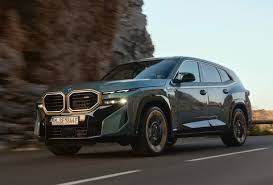
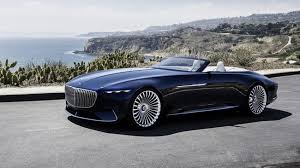
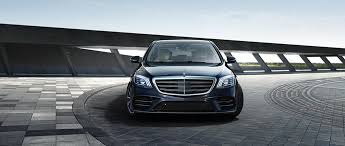
The BMW 7 Series is a formidable challenger, showcasing BMW’s modern interpretation of a world-class cabin and offering more engaging handling dynamics for a large sedan. Its powerful infotainment system and array of luxury features make it incredibly competitive, but it often requires a more assertive driving style to fully appreciate its capabilities. While the 7 Series delivers “performance luxury sedan” attributes, the S-Class consistently sets the benchmark for sheer, unadulterated luxury and passenger-focused refinement.
Luxury Large SUVs: Grand Scale, Grand Presence
For those who demand three-row utility without sacrificing luxury or performance, the “luxury large SUV” market offers compelling choices. BMW’s X7 adeptly scales up the brand’s best attributes, delivering a spacious and sharply appointed three-row machine capable of accommodating up to seven adults in comfort. Its handsome interior, combined with surprisingly agile handling for its size, makes it a strong contender for “premium three-row SUV” status.
Mercedes-Benz offers the direct competitor, the GLS, which provides an equally upscale cabin and a supremely refined ride, making it a true “luxury family SUV.” Mercedes also fields the iconic G-Class, or G-Wagen, a high-class off-road machine that, while undeniably luxurious and incredibly capable off-pavement, sometimes compromises on overall on-road refinement and daily drivability compared to its more pavement-oriented rivals. For the balance of luxury, road manners, and functionality, the X7 often edges out the GLS, particularly for drivers who appreciate a more engaging experience behind the wheel of their “full-size luxury SUV.”
Luxury Midsize Cars: The Heart of the Sedan Market
The midsize luxury sedan segment is often considered the heart of both brands’ lineups, showcasing their core strengths in a versatile package. In 2025, it’s a veritable tie. The Mercedes-Benz E-Class continues to impress as a cornerstone of its segment, offering a sublime balance of comfort, advanced technology, and a sophisticated ride. Its “high-tech luxury sedan” cabin can feel overwhelming with its sheer quantity of features, but its comprehensive suite of driver-assistance technologies and refined ambiance are undeniable. Mercedes also offers the elegant CLE, a handsome two-door that combines robust powertrains with coupe and convertible flair.
BMW’s 5 Series, redesigned for 2025, maintains its highly regarded status. While it might have slightly softened its once-legendary steering feedback in favor of broader appeal and comfort, it still delivers the familiar punch from its potent engine lineup and a sophisticated, driver-centric cabin. It remains a benchmark for “sporty executive sedans.” Both the E-Class and 5 Series offer distinct interpretations of “premium midsize car” excellence, making the choice largely a matter of personal preference for comfort versus dynamic engagement.
Luxury Midsize SUVs: Versatile Powerhouses
The “luxury midsize SUV” category is incredibly popular, balancing spaciousness, capability, and refined driving. Here, Mercedes-Benz often takes the lead. The Mercedes-Benz GLE, especially for 2025 with standard all-wheel drive, an updated MBUX infotainment system, and new plug-in hybrid options, stands out. Its spacious, refined cabin seamlessly integrates modern technology without being overbearing, offering an exceptional blend of “family luxury SUV” comfort and capability.
BMW’s X5 is equally revered, boasting an upscale interior and more athletic handling than its Mercedes counterpart. For 2025, additions like active lane-change assist further enhance its appeal. It’s a superb choice for those prioritizing “performance SUV” dynamics. BMW also offers the X6, a fastback version of the X5, while Mercedes-Benz counters with the GLE Coupe variants. While the X5 is a fantastic machine, the GLE’s holistic package often feels slightly more refined and luxurious from a passenger perspective, securing its spot as a top-tier “premium midsize SUV.”
Luxury Small Cars: Entry Point to Excellence
The “luxury small car” segment serves as an accessible entry point to both brands’ premium ecosystems. For years, BMW has held a strong position here. The BMW 3 Series continues its legacy as one of the finest small luxury sedans on the market. It’s renowned for its exhilarating driving dynamics, powerful engine options, and a surprisingly spacious and practical interior for its class. It embodies the “sport sedan” ideal. The 3 Series often outshines the still-commendable Mercedes-Benz C-Class, which offers more comfort and a beautifully designed interior but can feel less engaging to drive.
BMW also expands its small car offerings with the sporty 2 Series coupe and the versatile 4 Series (available as a coupe, convertible, and four-door Gran Coupe). Mercedes-Benz’s entry-level CLA, while nimble and packed with tech, often struggles to match the overall refinement and driver engagement of BMW’s core small car lineup. For those seeking “affordable luxury cars” with a genuine performance edge, BMW’s small cars remain the benchmark.
Luxury Sports Cars: Adrenaline and Precision
When it comes to pure driving exhilaration and precision engineering in the “luxury sports car” domain, BMW typically has the edge, depending on your definition. If raw, track-ready performance is the goal, the BMW M3 (a renowned sport sedan) and its coupe sibling, the M4, are titans in their class. The M2 harks back to BMW’s purest performance heritage, delivering unadulterated driving pleasure. For open-air enthusiasts, the Z4 offers a stylish and engaging “luxury roadster” experience. These vehicles are designed for “high-performance driving.”
Mercedes-Benz offers dedicated sports cars that are thrilling in their own right, such as the exciting Mercedes-AMG GT, a potent “performance coupe.” The Mercedes-Benz SL has evolved into more of a luxurious grand-touring convertible, emphasizing comfort and elegant cruising. While Mercedes-AMG vehicles are incredibly powerful, BMW’s core sports car lineup, particularly the M division, often delivers a more focused and immediate connection to the road, appealing to those who prioritize “track-ready luxury cars.”
Luxury Subcompact SUVs: Premium Urbanites
The “luxury subcompact SUV” segment is perfect for urban dwellers seeking premium features in a smaller footprint. Here, BMW’s offerings frequently top the rankings. The BMW X1 stands out for its intelligent use of space, a sharp and well-crafted cabin filled with standard features, and a handling dynamic that perfectly blends comfort with responsiveness. BMW also offers the X2, a stylish fastback variant that, while sacrificing some cargo space, remains fun and functional. These models offer “compact luxury SUV” practicality without compromise.
The Mercedes-Benz GLA ranks mid-pack among its peers. While it’s fun to drive and features an upscale interior, it can sometimes lack the overall refinement found in other Mercedes SUVs and offers less cargo capacity. For a blend of driving dynamics, interior quality, and thoughtful design in a small package, the X1 consistently leads the “premium subcompact crossover” category.
Safety & Driver Assistance: A Shared Commitment
Both BMW and Mercedes-Benz are at the forefront of automotive safety, equipping their 2025 lineups with comprehensive “advanced driver-assistance systems (ADAS).” From sophisticated forward-collision avoidance and lane-keeping assistance to advanced adaptive cruise control, both brands offer a full suite of technologies designed to enhance occupant protection and driver convenience. Their conventionally powered models consistently earn top safety ratings from independent organizations.
However, from an evaluation perspective, BMW has a slight edge due to a greater number of models having undergone comprehensive safety assessments. Models like the BMW 2-Series, 3-Series, 5-Series, and X3 consistently achieve stellar safety scores. While Mercedes-Benz’s C-Class, E-Class, GLC-Class, and GLE-Class perform nearly as well, the broader range of tested BMW vehicles gives them a marginal advantage in quantifiable safety data for the “safest luxury cars.” It’s worth noting that the newest EVs from both brands are still undergoing extensive independent testing, but their manufacturers’ commitment to safety is unwavering.
Performance & Powertrains: The Heart of the Drive
BMW’s identity as “The Ultimate Driving Machine” translates directly into its performance philosophy. Across its 2025 lineup, from the agile 3-Series to the opulent 7-Series, BMW vehicles are engineered to deliver an engaging and exciting driving experience. Their electric offerings, particularly the i4, i7, and iX, also consistently earn high marks for their dynamic performance, proving that electrification can enhance rather than detract from the driving pleasure. The M3 and M4 remain legendary “performance sedans and coupes” that continue to set benchmarks.
Mercedes-Benz offers formidable performance, particularly in its AMG sub-brand, which produces truly exhilarating vehicles like the GT and high-performance variants across its sedan and SUV ranges. The S-Class and EQS sedan also boast impressive performance for their respective segments. However, BMW’s commitment to driver involvement feels more pervasive across its standard lineup. While Mercedes-Benz offers incredible power, BMW often delivers a more visceral and connected feel through the steering wheel and chassis, making it the preferred choice for those seeking “dynamic driving experience” in their “premium car.”
Reliability & Ownership Experience: Long-Term Value
When investing in “luxury cars,” reliability and the overall ownership experience are crucial. In this evolving landscape, BMW often comes out ahead in terms of reported reliability data. While both brands offer excellent four-year/50,000-mile powertrain warranties, BMW has a greater number of models with consistent reliability scores, generally performing well above average. The X1, X3, 2 Series, and 7 Series, for instance, frequently score in the “Great” category from J.D. Power. This data suggests a more consistently dependable lineup, contributing to potentially lower “luxury car maintenance costs” over time.
Mercedes-Benz, while continually improving, has a more scattered reliability profile across its diverse model range, with fewer models consistently reporting high scores. Its EV batteries come with an industry-leading 10-year/155,000-mile warranty, which is a strong testament to their confidence in EV longevity. However, across the conventional lineup, BMW’s broader data pool and consistent performance in reliability surveys give it a slight edge for “long-term luxury car ownership.”
Interior Design & Technology: A Sanctuary or a Cockpit?
If BMW excels in driving dynamics, Mercedes-Benz defines the “luxury car interior.” For 2025, Mercedes-Benz continues to set the industry standard for cabin comfort, opulent materials, and sophisticated design. Whether it’s the GLE, GLS, E-Class, or the benchmark S-Class, the fit, finish, and sensory experience within a Mercedes cabin are often second to none. Their MBUX infotainment system, with its expansive screens, intuitive voice control, and ambient lighting, creates a truly immersive and “high-tech luxury interior.”
BMW has made significant strides in interior refinement, with models like the X1, X3, and i7 featuring outstanding build quality, excellent ergonomics, and sophisticated iDrive infotainment. Their cabins are driver-centric and highly functional. However, Mercedes-Benz often achieves a slightly higher level of sheer “interior craftsmanship,” material richness, and passenger-focused comfort, making it the preferred choice for those who prioritize a truly indulgent and serene cabin experience in their “premium vehicle.”
Exterior Design Language: Boldness vs. Elegance
BMW’s 2025 design philosophy continues its evolution, often characterized by a bolder, more assertive aesthetic. Iconic kidney grilles have grown, and sharper lines define their modern vehicles, aiming for a dynamic and athletic presence. This design direction, particularly on models like the 7 Series and iX, seeks to project a futuristic and performance-oriented image, appealing to those who appreciate “sporty luxury car design” and a more aggressive stance.
Mercedes-Benz, on the other hand, maintains its commitment to elegance, grace, and timeless sophistication. Their designs often feature smoother, more flowing lines, emphasizing a sense of refined luxury and understated prestige. The EQ line introduces a distinct aerodynamic fluidity, showcasing a forward-thinking yet elegant approach to “premium car aesthetics.” For buyers seeking “classic luxury car styling” with contemporary appeal, Mercedes-Benz often provides a more universally admired visual language.
The Verdict: A Nuanced Choice for 2025
Both BMW and Mercedes-Benz offer an astounding array of premium vehicles, pushing the boundaries of luxury, technology, and performance. In the head-to-head tally for 2025, BMW often edges out Mercedes-Benz in a greater number of segments, particularly in areas prioritizing driver engagement, performance, and evolving EV technologies, proving its vehicles can be both engaging and refined. BMW demonstrates a pervasive commitment to the driving experience, combined with impressive technological integration and increasingly luxurious interiors.
Mercedes-Benz, however, remains the undisputed champion of interior opulence, supreme comfort, and a serene driving experience that few can rival. Its cabins are world-class sanctuaries, setting the bar for refinement and passenger-focused luxury. While BMW might claim more segment wins, the choice ultimately hinges on your personal priorities. Do you crave the thrill of “The Ultimate Driving Machine” with its dynamic precision and cutting-edge tech, or do you desire “The Best or Nothing” in terms of unparalleled comfort, luxurious appointments, and a calming driving environment?
As the luxury automotive market accelerates towards an even more electrified and interconnected future, both German titans are innovating at breakneck speed. They are not merely competing for market share; they are defining the very essence of what a luxury vehicle can be.
Embarking on your luxury vehicle journey is a significant decision. To truly understand which of these legendary brands aligns with your driving style and personal preferences, experiencing them firsthand is invaluable. We invite you to explore the diverse lineups of BMW and Mercedes-Benz, schedule test drives, and engage with our expert advisors. Discover your perfect luxury companion for 2025 and beyond.