
The Enduring Rivalry: BMW vs. Mercedes-Benz – Navigating Luxury in 2025
The automotive landscape is in constant flux, yet some rivalries transcend time, evolving with every technological leap and design revolution. Foremost among these is the perennial contest between Germany’s titans: BMW and Mercedes-Benz. As we navigate the rapidly accelerating currents of 2025, discerning luxury vehicle buyers face a more complex choice than ever before. For a decade, I’ve been immersed in this dynamic sector, observing firsthand how these two marques have not only defined premium motoring but continue to redefine it, especially as electrification, advanced autonomy, and hyper-personalized digital experiences become standard. This isn’t just about badges anymore; it’s about deeply ingrained philosophies clashing in a futuristic arena.
Historically, BMW, “The Ultimate Driving Machine,” carved its niche with a laser focus on exhilarating performance, precise handling, and an undeniable connection between driver and road. Mercedes-Benz, conversely, championed a serene, opulent sanctuary, renowned for its unparalleled comfort, plush interiors, and an air of dignified sophistication. In 2025, these distinct identities have begun to blur, merge, and, in some instances, even swap characteristics as both brands vie for market dominance in a hyper-competitive global arena. The key question for potential owners seeking a new premium vehicle or assessing their next luxury upgrade remains: which German icon truly anchors the luxury market today, and where does each excel as we look to the next generation of motoring? Let’s dissect the current offerings, cutting-edge technology, and evolving brand promises to find out.
The Evolving Philosophies: Performance Meets Serenity
In 2025, both BMW and Mercedes-Benz have pushed the boundaries of their traditional definitions. BMW, while still delivering spirited driving dynamics, has increasingly embraced comfort, advanced driver assistance systems, and lavish interiors, particularly in its larger sedans and SUVs. The brand’s commitment to electrification through its “Neue Klasse” architecture promises not just impressive EV performance but also a reimagined digital user experience. Mercedes-Benz, on the other hand, has injected a substantial dose of performance prowess across its lineup, especially with its potent AMG divisions and the remarkable acceleration offered by its EQ electric vehicles. Yet, its core remains the pursuit of automotive comfort, often setting industry benchmarks for interior refinement and sophisticated ride quality. Understanding this shift is paramount for any luxury car shopper. The battle isn’t just in raw specs; it’s in the holistic ownership experience.
Luxury Compact SUVs: The Urban Explorers’ Battleground
Winner: BMW
The compact luxury SUV segment remains a global powerhouse, blending urban practicality with premium aspirations. In 2025, BMW continues to hold a compelling edge here. The BMW X3, a perennial favorite, boasts an even more refined chassis, delivering athletic handling that belies its SUV stature, complemented by robust powertrains and an increasingly sophisticated, spacious cabin. Its fastback sibling, the BMW X4, offers a sportier aesthetic without sacrificing too much utility. This dynamic duo consistently delivers an engaging driving experience.
Mercedes-Benz fields the GLC and the more utilitarian GLB. The GLC offers a plush, elegantly appointed cabin and efficient powertrains, providing a quintessential Mercedes comfort-focused experience. The GLB stands out with its available third-row seating, a rare find in this segment, though its overall driving dynamics aren’t quite as sharp as the BMW counterparts. For those prioritizing agile handling and a more connected drive in a premium compact SUV, BMW still leads the charge.
Luxury Electric Cars: The Silent Revolution
Winner: BMW
The electric vehicle (EV) segment is where innovation truly accelerates, and both German marques are pouring resources into electrifying their luxury car lines. In 2025, BMW’s strategy, particularly with its i-series, has yielded a slight advantage. The BMW i7, the electric flagship based on the 7 Series, is a bold statement of futuristic luxury, combining dominant performance with an opulent, technology-rich cabin and striking design. The BMW i4, an electric interpretation of the 4 Series Gran Coupe, brilliantly maintains BMW’s engaging driving spirit, proving EVs can be thrilling. Furthermore, anticipate the arrival of new “Neue Klasse” electric sedans, pushing boundaries in range, charging, and digital integration, solidifying BMW’s EV leadership.
Mercedes-Benz offers a robust EQ lineup, including the EQE Sedan and the flagship EQS Sedan. These vehicles are engineering marvels, boasting serene driving dynamics, breathtakingly opulent cabins (especially with the Hyperscreen infotainment), and exceptional aerodynamics. However, Mercedes’ naming convention can still be a bit confusing for new buyers, and while their luxury is undeniable, BMW’s current electric offerings seem to strike a slightly better balance between luxury, performance, and a more intuitive, driver-centric experience that resonates deeply with electric vehicle enthusiasts seeking to maximize their premium EV investment.
Luxury Electric SUVs: The Family Electrified
Winner: BMW
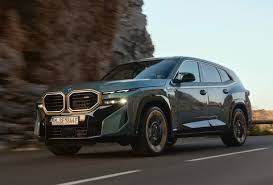
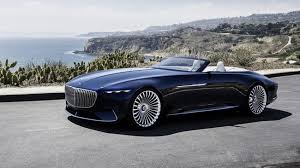
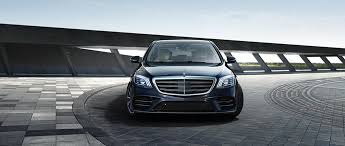
The demand for electric SUVs continues its upward trajectory, and in this critical segment, BMW’s approach has again delivered impressive results. The BMW iX remains the brand’s pioneering electric SUV, offering powerful acceleration, a uniquely spacious and functional interior, and cutting-edge technology that feels genuinely innovative. Its bold styling has matured, now perceived as a statement of intent. Anticipate new “Neue Klasse” SUV models to arrive, setting new standards for efficiency and onboard tech.
Mercedes-Benz fields a trio of electric SUVs: the EQB, EQE SUV, and EQS SUV. The EQB, an electric variant of the GLB, offers practicality. The EQE SUV and EQS SUV share the elegant interiors and refined ride quality characteristic of Mercedes. However, in 2025, some EQ models still grapple with competitive driving range or cargo capacity compared to rivals, and their pricing can be quite steep. While Mercedes excels in luxury appointments, BMW’s iX, and forthcoming models, seem to offer a more well-rounded package for those seeking high-performance electric SUVs with superior practicality.
Luxury Large Cars: Flagship Grandeur
Winner: Mercedes-Benz
When it comes to the pinnacle of automotive luxury – the full-size flagship sedan – few names command the respect of the Mercedes-Benz S-Class. In 2025, the Mercedes-Benz S-Class continues its reign as the undisputed benchmark for comfort, opulence, and technological integration. Its cabin is a sanctuary, effortlessly shielding occupants from the outside world, while the advanced MBUX infotainment system with its intuitive voice commands (“Hey, Mercedes…”) remains an industry leader. For those seeking the ultimate in refined travel and chauffeured comfort, the S-Class is a virtually unrivaled choice, representing a sound premium car investment.
The BMW 7 Series is a formidable competitor, offering its own distinctive blend of modern luxury and engaging handling. While its bold styling may not appeal to all, its interior is a technological marvel, boasting features like the Executive Lounge Seating and the optional 31.3-inch Theatre Screen. However, the 7 Series, even with its latest iterations, leans slightly more towards a driver-centric luxury, whereas the S-Class remains the quintessential passenger experience. For sheer unadulterated luxury and comfort, Mercedes-Benz’s S-Class still sets the gold standard.
Luxury Large SUVs: Three-Row Supremacy
Winner: BMW
Scaling up the luxury experience for larger families or those requiring more cargo capacity, the large SUV segment is crucial. In 2025, the BMW X7 impressively translates the brand’s core attributes into a commanding three-row machine. Its sharp, luxurious interior provides ample comfort for up to seven passengers, with high-quality materials and excellent ergonomics. While its iDrive infotainment system can have a learning curve, its capability is immense.
Mercedes-Benz offers two distinct large SUVs: the GLS and the iconic G-Class. The GLS directly competes with the X7, offering an upscale cabin and a supremely refined ride that aligns with Mercedes’ comfort philosophy. The G-Wagen, while undeniably prestigious and an exceptional off-road vehicle, compromises some aspects of on-road luxury and efficiency due to its rugged architecture, making it a niche choice for luxury off-road enthusiasts. For a versatile, well-rounded luxury three-row SUV that balances comfort with a hint of driver engagement, the BMW X7 still edges out the competition.
Luxury Midsize Cars: The Sweet Spot of Sophistication
Winner: Tie
The midsize luxury sedan segment is often seen as the heart of both brands, representing a perfect blend of performance, luxury, and daily usability. In 2025, this category remains a fiercely contested tie.
The Mercedes-Benz E-Class continues to be a cornerstone, blending a comfortable, refined ride with a wildly high-tech cabin that, while occasionally overwhelming, offers cutting-edge features and an impressive suite of driver-assistance technologies. Mercedes also offers the handsome CLE, a two-door coupe/convertible combining elegance with potent powertrains.
BMW’s redesigned 5 Series for 2024 (and continuing into 2025) offers a refined driving experience, though some purists note a slight departure from the razor-sharp steering feedback of its predecessors. It still packs a formidable punch from its array of sophisticated powertrains, including compelling plug-in hybrid and fully electric (i5) options. Both the E-Class and 5 Series offer exceptional value, cutting-edge technology, and represent the best of German engineering, making it impossible to declare an outright winner in this segment for the discerning luxury sedan buyer.
Luxury Midsize SUVs: Versatility and Vigor
Winner: Mercedes-Benz
Another crucial segment for family-oriented luxury, the midsize SUV category sees Mercedes-Benz securing the top spot. The Mercedes-Benz GLE (which often ties with the Porsche Cayenne in overall rankings) shines with a spacious, refined cabin that seamlessly integrates modern technology without being overbearing. For 2025, it continues to offer standard all-wheel drive, an updated MBUX system, and a highly efficient plug-in hybrid model, making it a compelling luxury SUV option.
The BMW X5 is an equally revered contender, known for its upscale interior and more athletic handling compared to its Mercedes counterpart. The X5 offers numerous potent engine choices and a range of luxury amenities. BMW also offers the X6, a fastback version of the X5, emphasizing style over ultimate practicality. While the X5 delivers a fantastic driving experience, the GLE’s blend of superior ride comfort, interior opulence, and sophisticated technology package gives it a slight edge in this closely fought battle.
Luxury Small Cars: Entry Point to Excellence
Winner: BMW
For many, the small luxury sedan is the first step into the premium segment. In 2025, the BMW 3 Series maintains its long-standing reputation as one of the best small luxury sedans on the market. It remains incredibly fun to drive, boasts powerful engines, a surprisingly spacious interior, and a class-leading trunk. Its ability to blend everyday usability with engaging dynamics is unmatched. BMW also offers the sporty 2 Series Coupe and the versatile 4 Series (available in coupe, convertible, and Gran Coupe forms), providing a range of options for those prioritizing high-performance compact luxury.
The Mercedes-Benz C-Class is a highly commendable rival, offering a more comfort-oriented experience and a beautifully appointed cabin reminiscent of the S-Class. Mercedes also provides the entry-level CLA, a nimble and tech-packed four-door coupe with sharp styling. While the C-Class prioritizes comfort and elegance, the 3 Series simply offers a more engaging and responsive driving experience, making it the preferred choice for enthusiasts entering the luxury segment.
Luxury Sports Cars: Adrenaline and Artistry
Winner: BMW
When it comes to sheer driving pleasure and performance, the luxury sports car segment is where both brands flex their engineering muscles. In 2025, BMW’s dedicated performance M division gives it a distinct advantage. The BMW M3 (sedan) and M4 (coupe) are legendary sport sedans and coupes, offering exhilarating power, track-ready dynamics, and increasingly sophisticated technology. The M2 captures the essence of BMW’s performance heritage in a compact, potent package. For those seeking open-air thrills, the Z4 roadster delivers engaging driving with undeniable flair. These are truly luxury performance cars designed for the ultimate driving enthusiast.
Mercedes-Benz offers dedicated sports cars like the exciting AMG GT and the elegant SL roadster, which leans more towards a grand touring experience. While the AMG GT is undeniably thrilling, BMW’s broader and more diversified portfolio of M cars, from hardcore track machines to sophisticated roadsters, provides a wider appeal for different types of performance seekers, solidifying its win in this high-octane category.
Luxury Subcompact SUVs: Small Footprint, Big Impression
Winner: BMW
The subcompact luxury SUV segment has seen tremendous growth, offering premium features in a more nimble, city-friendly package. In 2025, the BMW X1 stands out as the segment leader. It maximizes its compact footprint with a sharp, well-crafted cabin, a long list of standard features, and handling dynamics that strike an excellent balance between comfort and responsiveness. The BMW X2, with its sportier design, offers another appealing option, albeit with slightly less cargo space.
The Mercedes-Benz GLA ranks well within the small SUV category, offering an upscale cabin and a fun-to-drive character. However, it’s not quite as refined as other Mercedes SUVs and often lags in cargo capacity compared to the X1. For urban dwellers and those seeking a premium subcompact SUV with outstanding versatility and driving dynamics, BMW offers a more compelling proposition.
Safety and Driver Assistance: The Guardian Angels of Luxury
Winner: BMW
In 2025, advanced safety features and sophisticated driver assistance systems are non-negotiable in the luxury market. Both BMW and Mercedes-Benz invest heavily in these areas, offering comprehensive suites designed to protect occupants and aid the driver. However, BMW holds a slight edge in the breadth of its models that consistently achieve top safety ratings from independent organizations like the IIHS and NHTSA.
Models like the BMW 2 Series, 3 Series, 5 Series, and X3 consistently earn near-perfect scores, equipped with full suites of safety tech including advanced forward collision avoidance, lane-departure warning, adaptive cruise control, and increasingly sophisticated Level 2+ autonomous driving capabilities.
Mercedes-Benz’s C-Class, E-Class, GLC-Class, and GLE-Class also perform exceptionally well. Both brands are at the forefront of introducing Level 3 conditional autonomous driving features in select high-end models, promising a glimpse into the future of hands-off motoring. While Mercedes’ systems are intuitive, BMW’s consistent high scores across a wider range of tested models give it the advantage in overall safety recognition, making them a wise luxury car safety investment.
Performance and Driving Dynamics: The Heartbeat of Engineering
Winner: BMW
For driving enthusiasts, performance and dynamic handling are paramount. In 2025, BMW continues to uphold its legacy as the ultimate driver’s brand. Across its lineup, from the agile 3 Series to the commanding 7 Series and 8 Series, BMW vehicles are engineered to thrill behind the wheel. The brand’s electric i-models, including the i4, i7, and iX, surprisingly deliver some of the highest performance scores, leveraging instant EV torque for exhilarating acceleration. The M-division’s M3 and M4 remain legendary performance stalwarts. BMW’s commitment to balanced chassis tuning, precise steering, and powerful yet refined engines makes every drive an experience.
Mercedes-Benz offers incredible performance, particularly within its extensive AMG portfolio, which transforms many models into high-performance beasts. The S-Class, GT, SL, and EQS Sedan also earn high praise for their performance. However, models like the GLA and GLB prioritize value and practicality, leading to lower performance scores. While Mercedes offers blistering speed and impressive power, BMW’s broader, more consistent application of engaging driving dynamics across its entire range, including its rapidly expanding EV lineup, solidifies its win for sheer driving enjoyment and high-performance luxury vehicle prowess.
Reliability and Ownership Experience: Beyond the Showroom
Winner: BMW
Reliability is a critical, often overlooked, aspect of luxury car ownership. In 2025, with increasing technological complexity, assessing long-term dependability is more important than ever. While scores can be somewhat scattered across both brands due to new models and evolving technology, BMW generally reports more consistent and higher predicted reliability scores across its models.
J.D. Power, a respected authority, often rates models with scores above 81 as “Great.” BMW models like the X3 and X1 frequently score in the mid-80s, with the 2 Series and 7 Series following closely. As a brand, BMW generally averages a “Great” score, with most of its conventionally powered vehicles rated highly.
Mercedes-Benz models often fall into the “Average” to “Great” range. While the E-Class typically performs well, some models like the GLA and GLE hover around the “Good” range. The long-term reliability of newer, highly complex EV systems is still being fully assessed across the industry. Both brands offer robust four-year/50,000-mile powertrain warranties, but Mercedes-Benz notably offers a longer 10-year/155,000-mile warranty for its EV battery packs, compared to BMW’s eight-year/100,000-mile warranty. However, for overall model-by-model consistency in predicted reliability, BMW currently holds a slight edge, making it a potentially safer long-term luxury car investment.
Interior Design, Technology, and User Experience: The Personal Sanctuary
Winner: Mercedes-Benz
If BMW is the performance standard, Mercedes-Benz remains the undisputed champion of interior comfort, design, and user experience. In 2025, Mercedes-Benz continues to set the industry benchmark for automotive interiors. Whether it’s the GLE, GLS, E-Class, or the gold-standard S-Class, the fit-and-finish, material quality, and aesthetic cohesion are consistently top-notch. The MBUX infotainment system, especially with the optional Hyperscreen, is a masterclass in intuitive, visually stunning, and highly responsive technology, offering unparalleled personalization and ambient lighting. Mercedes excels at crafting a genuine sense of occasion every time you step inside, making them highly desirable for those prioritizing luxury car comfort features and advanced infotainment systems.
BMW has made significant strides, with models like the X1, X3, and i7 offering outstanding cabins in terms of build quality, material selection, and the latest iDrive 9 system. The crystal controllers and sophisticated digital displays are impressive. However, while BMW interiors are highly functional and aesthetically pleasing, they often don’t quite reach the same level of opulent artistry, sheer plushness, or seamless technological integration that Mercedes-Benz consistently delivers across its premium lineup.
The Ultimate Verdict: Navigating the Luxury Landscape of 2025
After a thorough examination of their 2025 offerings, the scales tip slightly, yet significantly, towards one German powerhouse. Both BMW and Mercedes-Benz offer exceptional products that exemplify automotive luxury, cutting-edge technology, and world-class engineering. However, in this head-to-head comparison across numerous segments and critical attributes, BMW emerges as the overall winner.
BMW has demonstrated remarkable agility and foresight in adapting to the electrified future while refining its core strengths. Its vehicles consistently deliver engaging driving dynamics, often setting the standard for performance even in the electric realm. The brand’s commitment to technological integration, balanced safety features, and a broader sweep of competitive reliability scores across its expanding lineup gives it the edge in more categories. BMW has successfully broadened its appeal, proving its vehicles can be both exhilarating to drive and supremely refined, modern, and tech-laden.
Mercedes-Benz, on the other hand, remains the undisputed master of comfort and interior opulence. Its cabins are world-class, and many of its vehicles continue to set the bar for refinement and sophisticated user experience in their respective segments. For buyers prioritizing the ultimate in passenger comfort, elegant design, and intuitive, visually stunning infotainment, Mercedes-Benz often delivers an unmatched experience.
The luxury market in 2025 is more dynamic and innovation-driven than ever. As these two titans continue to push the boundaries of electrification, autonomous capabilities, and personalized luxury, the competition will only intensify. Ultimately, your choice will depend on your personal priorities: the visceral thrill of the drive and consistent dynamic performance, or the serene embrace of unparalleled comfort and exquisite interior luxury.
Embark on Your Luxury Journey Today.
Ready to experience the pinnacle of German engineering and discover which luxury icon truly aligns with your driving aspirations? Explore the groundbreaking features, dynamic performance, and unparalleled comfort of the latest BMW and Mercedes-Benz models for 2025. Visit your local dealership or explore our comprehensive guides to arrange your personalized test drive. Your ultimate luxury vehicle awaits.