
BMW vs. Mercedes-Benz: The Definitive 2025 Luxury Showdown – Who Reigns Supreme?
For decades, the luxury automotive landscape has been dominated by two titans: BMW and Mercedes-Benz. These German powerhouses have not just defined premium motoring but have consistently pushed the boundaries of innovation, design, and performance. As we accelerate into 2025, the rivalry is more intense than ever, especially with the seismic shift towards electrification and advanced digital ecosystems. From my vantage point, having navigated this industry for over ten years, the choice between a BMW and a Mercedes-Benz isn’t just about badges; it’s about aligning with a philosophy that resonates with your driving soul.
While both brands continue to craft vehicles of exceptional quality, their fundamental approaches often diverge. BMW, historically championed as “The Ultimate Driving Machine,” has always prioritized an engaging, dynamic driving experience, even in its most opulent offerings. Mercedes-Benz, on the other hand, built its formidable reputation on unparalleled comfort, serene refinement, and an interior aesthetic that redefines automotive luxury, often considered a benchmark before venturing into ultra-luxury echelons like Bentley or Rolls-Royce.
The 2025 model year brings forth a fresh wave of technological advancements, refined designs, and an even more robust commitment to electric mobility from both manufacturers. If you’re embarking on your premium car buying journey, understanding the nuances between these two titans is crucial. Let’s dissect their offerings across various segments, examining who truly leads in the evolving luxury market.
Luxury Compact SUVs
Winner: BMW
Compact luxury SUVs remain a cornerstone of the premium market, blending versatility with upscale appointments. By 2025, BMW’s X3 continues its reign, having consistently refined its formula for athletic handling and a remarkably spacious, driver-focused cabin. The anticipated updates for the X3 in 2025 will likely bolster its strong powertrain options and sharpen its already precise steering, making it a joy on winding roads while offering sufficient practicality for urban living. Its intuitive iDrive system, now refined to version 8.5 or potentially 9, maintains its user-friendliness while offering robust connectivity.
Mercedes-Benz counters with the GLC, a formidable competitor known for its plush interior and smooth ride quality. While the GLC provides an undeniably luxurious environment, often featuring exquisite materials and the intuitive MBUX infotainment system with its acclaimed voice assistant, it traditionally leans more towards comfort than the outright driving engagement offered by the X3. The GLB, with its unique optional third row, offers practicality but sits a step below in overall refinement compared to its larger sibling or the X3. For those seeking the best blend of daily usability and invigorating driving dynamics in a compact package, BMW’s proposition remains compelling.
Luxury Electric Cars
Winner: BMW
The electric luxury segment is booming, and by 2025, both BMW and Mercedes-Benz have significantly expanded their EV portfolios. BMW’s strategy has been to electrify its core models, resulting in EV versions that largely retain the driving characteristics of their ICE counterparts. The BMW i7, as the electric flagship, is a testament to this, combining bold, futuristic design with dominant performance and a truly opulent, tech-laden cabin that can transform into a rolling cinema with its available Theatre Screen. The i4, essentially an electric 4 Series Gran Coupe, continues to impress with its engaging dynamics and sporty demeanor, appealing directly to traditional BMW enthusiasts. We also anticipate further enhancements to battery technology and charging speeds for 2025, solidifying BMW’s commitment to competitive range and efficiency.
Mercedes-Benz, with its dedicated EQ line, offers vehicles like the EQE and EQS sedans. These models are lauded for their serene driving dynamics, whisper-quiet cabins, and groundbreaking interior design, often featuring the expansive Hyperscreen. However, Mercedes’ EQ range has, at times, faced critiques regarding its less intuitive design language for some, and specific models have struggled with optimal range or cargo capacity compared to rivals. While the comfort and advanced luxury technology in the EQS are undeniable, BMW’s electric offerings, particularly the i4 and i7, consistently deliver a more cohesive and universally appealing blend of performance, luxury, and design that resonates strongly with a broader segment of high-end EV buyers.
Luxury Electric SUVs
Winner: BMW
Following the trend in electric cars, BMW’s electric SUV strategy for 2025 continues to impress. The BMW iX, while visually polarizing to some initially, has proven itself a masterclass in electric luxury SUVs. Its powerful acceleration, uniquely spacious and functional interior, coupled with cutting-edge technology and robust cargo capacity, make it a standout. We can expect iterative improvements in battery density and charging infrastructure integration for the 2025 iX, enhancing its already strong value proposition in the premium EV SUV space.
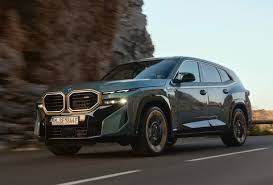
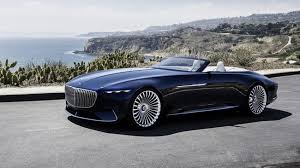
Mercedes-Benz offers a broader, yet sometimes confusing, array of electric SUVs: the EQB, EQE SUV, and EQS SUV. While these vehicles certainly embody Mercedes-Benz’s signature elegance and comfort, with features like sophisticated ambient lighting and premium interior materials, some models have been hampered by less-than-stellar driving ranges or compromised cargo space compared to their internal combustion counterparts or direct competitors. The pricing structure for some EQS SUV variants can also be significantly higher, pushing them into a more exclusive, niche market. For a more balanced, feature-rich, and performance-oriented electric SUV experience that truly justifies the luxury price tag, the BMW iX maintains a clear advantage.
Luxury Large Cars
Winner: Mercedes-Benz
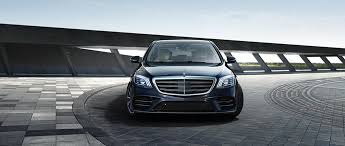
In the realm of flagship luxury sedans, where comfort, opulence, and technological prowess converge, the Mercedes-Benz S-Class remains the undisputed monarch. By 2025, the S-Class will likely feature even further refinements to its cabin serenity, offering an unparalleled sanctuary from the outside world. Its MBUX infotainment system, expected to evolve with even more intuitive AI-driven voice commands and augmented reality navigation features, continues to set the industry benchmark for digital integration and ease of use. The ride quality is simply sublime, isolating occupants in a cloud of comfort. For those seeking the pinnacle of traditional luxury and effortless refinement, the S-Class is an institution.
BMW’s 7 Series, while a spectacular vehicle in its own right, and arguably offering more engaging handling for a car of its size, often finishes just behind the S-Class in terms of sheer, unadulterated luxury and perceived opulence. Its bold exterior design language, while distinctive, may not appeal to all traditional luxury buyers, and its iDrive system, while powerful, can sometimes present a steeper learning curve for new users compared to MBUX’s natural language processing. When the primary objective is to be chauffeured or to experience the ultimate in passenger comfort, Mercedes-Benz continues to hold the edge.
Luxury Large SUVs
Winner: BMW
Scaling up the successful formula of its smaller SUVs, the BMW X7 continues to impress in the three-row luxury large SUV segment. By 2025, the X7 is expected to further refine its handsome interior, offering exceptional comfort for first and second-row passengers, along with a surprisingly usable third row. Its confident road manners and a range of potent powertrains ensure that driving this substantial vehicle remains an engaging experience, a hallmark of the BMW brand. The updated iDrive system effectively manages its vast array of features without feeling overwhelming.
Mercedes-Benz offers the GLS, a direct competitor to the X7, known for its elegant cabin and a refined, cushioned ride. The GLS is undoubtedly a magnificent vehicle, providing all the luxury expected from a Mercedes. However, the X7 often surpasses it in terms of overall driving dynamics and, for some, interior design cohesiveness. Mercedes also fields the iconic G-Class (G-Wagen), a high-class off-road machine whose immense capability off-pavement comes with compromises in on-road refinement and overall luxury compared to vehicles designed purely for paved excellence. While the GLS is a strong contender, the X7’s blend of luxury, practicality, and engaging driving feel solidifies its victory.
Luxury Midsize Cars
Winner: Tie
The midsize luxury sedan segment is where the rivalry between BMW and Mercedes-Benz is arguably most balanced. For 2025, the Mercedes-Benz E-Class continues its tradition as a cornerstone of the segment, showcasing a supremely comfortable and refined ride quality coupled with a hyper-advanced, technologically dense cabin. While the sheer volume of tech can sometimes be overwhelming, its sophisticated driver-assistance systems and impeccable material quality make it a standout choice for those prioritizing luxury and comfort. Mercedes also offers the elegant CLE, a two-door variant that carries the brand’s sophisticated styling.
The BMW 5 Series, even with a recent redesign, remains just as highly regarded, though often for different reasons. While the G60 generation 5 Series (launched in 2024) may have softened some of the razor-sharp steering feedback of its predecessors, it still delivers a powerful punch from its robust engine lineup and offers a refined, modern interior. Its balance of sportiness and luxury is difficult to beat. Given the slightly different philosophies – Mercedes leaning into overt luxury and tech, BMW into refined performance and user-centric tech – this segment is a genuine draw, dependent entirely on individual preference.
Luxury Midsize SUVs
Winner: Mercedes-Benz
In the highly competitive midsize luxury SUV category, the Mercedes-Benz GLE takes the lead for 2025. Its spacious, exquisitely refined cabin effortlessly integrates modern technology without becoming obtrusive, creating an inviting and intuitive environment. With standard all-wheel drive, a continually updated MBUX system, and a robust plug-in hybrid option expected to be even more refined by 2025, the GLE delivers a compelling package of comfort, capability, and efficiency.
The BMW X5 is an equally revered contender, boasting an upscale interior and handling that’s notably more athletic than its Mercedes counterpart. For 2025, we anticipate further enhancements to its ADAS suite, potentially including advanced active lane-change assist features. BMW also offers the X6, the distinctive fastback version of the X5. While the X5 excels in driver engagement, the GLE’s superior blend of plush comfort, intuitive technology, and overall luxury presentation gives it the slight edge in this critical segment, especially for families prioritizing passenger comfort.
Luxury Small Cars
Winner: BMW
For those seeking an engaging driving experience in a more compact, agile package, BMW’s small luxury cars continue to dominate. The BMW 3 Series has long been the benchmark for sport sedans, and by 2025, it maintains its reputation for being genuinely fun to drive, offering powerful engine options, and a surprisingly spacious interior and trunk for its class. Its blend of everyday usability and exhilarating performance sets it apart. BMW further diversifies its offerings with the sporty 2 Series coupe and the versatile 4 Series (available as a coupe, convertible, and Gran Coupe).
The Mercedes-Benz C-Class is a commendable rival, offering a more comfortable and overtly luxurious cabin experience, but it typically doesn’t match the 3 Series’ raw driving engagement. Mercedes also has the entry-level CLA, a nimble and tech-forward four-door coupe that offers sharp styling. However, for the purest expression of a driver’s luxury car in this size, BMW’s offerings consistently provide a more compelling and dynamic package.
Luxury Sports Cars
Winner: BMW
When the conversation shifts to luxury sports cars, BMW often edges out its rival, largely due to its unwavering commitment to driving purity and the legendary performance of its M division. By 2025, the M3 sedan and M4 coupe continue to be renowned performance stalwarts, delivering blistering speed and precise handling. The M2, in particular, arguably embodies the true spirit of BMW’s performance heritage in a compact, thrilling package. For those seeking open-air exhilaration, the Z4 roadster provides a stylish and engaging driving experience.
Mercedes-Benz, while offering dedicated sports cars like the GT and the sophisticated SL grand tourer, often positions these more as luxurious cruisers or potent, but less overtly “track-focused” machines compared to BMW’s M offerings. The Mercedes-AMG range certainly offers incredible power and luxury, but BMW’s dedicated M cars tend to prioritize the raw, visceral connection between driver and road, making them the preferred choice for enthusiasts seeking pure performance.
Luxury Subcompact SUVs
Winner: BMW
In the burgeoning luxury subcompact SUV segment, the BMW X1 consistently stands out. By 2025, it’s expected to maintain its top position, leveraging its size effectively to offer a sharp, well-crafted cabin with a comprehensive list of standard features. Its handling dynamics strike an excellent balance between comfort and responsiveness, making it agile in urban environments and composed on highways. The X2, a more style-focused fastback variant, also contributes to BMW’s strong showing, offering a fun and functional experience, albeit with slightly less cargo space.
The Mercedes-Benz GLA, while fun to drive and featuring an upscale cabin, typically ranks mid-pack among its peers. It’s refined but often doesn’t quite match the overall polish of other Mercedes SUVs, and its cargo capacity can be a limiting factor. The X1’s superior blend of practicality, engaging driving characteristics, and premium appointments makes it the undisputed leader here.
Safety
Winner: BMW
Both BMW and Mercedes-Benz are leaders in automotive safety, equipping their fleets with stellar active and passive safety features. By 2025, both brands will offer comprehensive suites of advanced driver assistance systems (ADAS), including highly sophisticated forward collision avoidance, lane-keeping assist, adaptive cruise control, and increasingly capable semi-autonomous driving functions.
Historically, various BMW models like the 2 Series, 3 Series, 5 Series, and X3 have consistently achieved top-tier safety ratings from organizations like the IIHS and NHTSA. Mercedes-Benz models such as the C-Class, E-Class, GLC, and GLE also perform exceptionally well. While safety evaluations for some newer or electric models are sometimes pending as they hit the market, BMW’s broader and more consistent track record of top ratings across a wider range of vehicles gives it a slight edge in this critical area, reflecting a robust engineering approach to occupant protection and accident prevention.
Performance
Winner: BMW
For driving enthusiasts, BMW remains the performance brand of choice across its portfolio. From the foundational 3 Series to the executive 7 Series and the exhilarating M performance variants (M2, M3, M4), BMW vehicles are engineered to excite behind the wheel. Even its electric models, like the i4, i7, and iX, consistently earn high marks for their dynamic capabilities, delivering instant torque and engaging handling that often belies their weight. The “Ultimate Driving Machine” ethos is deeply embedded in their DNA.
Mercedes-Benz offers formidable performance through its AMG division, with cars like the AMG GT, the S-Class AMG variants, and high-performance versions of its SUVs. These vehicles deliver immense power and impressive speed. However, for a brand-wide commitment to an engaging driving experience across all segments, BMW’s focus on balanced chassis dynamics, precise steering, and responsive powertrains gives it a consistent lead. While Mercedes excels in brute force and luxurious power, BMW often delivers a more nuanced and driver-centric performance.
Reliability
Winner: BMW
Reliability scores for luxury brands can often be a point of contention, but looking at available data and industry trends for 2025, BMW generally shows a more consistent pattern of strong predicted reliability scores across a broader range of models. While both brands offer robust warranties (four-year/50,000-mile powertrain, with extended battery warranties for EVs), BMW’s transparency and consistent reporting of good scores across more of its lineup indicate a slight advantage.
Models like the X1, X3, 2 Series, and 7 Series have historically scored well (e.g., in the 85-86 range by JD Power standards, where 81-90 is “Great”). Mercedes-Benz also has reliable models, with the E-Class and GLE often scoring well, but typically fewer models have reported scores, making a brand-wide comparison more challenging. The engineering complexity in both brands means meticulous maintenance is crucial, but BMW’s slightly higher overall brand average in reliability metrics gives it the win.
Interior
Winner: Mercedes-Benz
If BMW champions performance, Mercedes-Benz is the undisputed master of the automotive interior. By 2025, Mercedes-Benz continues to set the industry standard for cabin comfort, design, and material quality. Whether it’s the expansive, flowing lines of the GLE, the executive opulence of the GLS, the highly personalized experience of the E-Class, or the gold-standard S-Class, Mercedes-Benz cabins are often considered art forms. The fit and finish are consistently top-notch, often employing exquisite leathers, open-pore wood, intricate metalwork, and ambient lighting systems that create an unparalleled atmosphere. The MBUX system’s visual presentation and intuitive voice control also contribute significantly to the premium feel.
BMW has made significant strides in interior design and quality, particularly in models like the X1, X3, and the technologically advanced i7. These vehicles offer outstanding cabins with excellent build quality and advanced features. However, while BMW interiors are superb, they generally don’t quite reach the same elevated level of sheer luxury, dramatic design, and sensory opulence that Mercedes-Benz consistently delivers across a wider array of its models. Mercedes-Benz prioritizes creating an immersive, plush, and ultimately serene environment for both driver and passengers.
The Ultimate Winner Is…
BMW
In a head-to-head comparison for 2025, analyzing performance, technology, design, and market relevance, BMW emerges as the overall victor, securing wins in more segments and demonstrating a more consistent blend of attributes across its diverse lineup.
BMW has masterfully evolved its “Ultimate Driving Machine” ethos to encompass not just exhilarating performance but also refined luxury, cutting-edge technology, and a robust commitment to electric mobility. Its vehicles consistently offer an engaging driving experience while delivering the comfort, advanced safety features, and digital ecosystems expected of a premium brand. The brand’s electric vehicle strategy, integrating EVs seamlessly into existing model lines, has proven particularly effective in capturing a wider market.
Mercedes-Benz, on the other hand, remains a titan of unparalleled interior luxury, comfort, and sophisticated design. Its S-Class and E-Class interiors continue to set benchmarks, and its commitment to serene refinement is unwavering. For buyers whose primary desire is a tranquil, opulent sanctuary on wheels, Mercedes-Benz offers an experience that is hard to match.
Ultimately, the choice between these two German legends in 2025 will hinge on personal priorities. Do you crave the dynamic engagement and driver-centric focus of a BMW, even in an electric format? Or do you prioritize the serene comfort, opulent luxury, and ground-breaking interior design that defines a Mercedes-Benz? Both brands offer exceptional products, pushing the boundaries of what a luxury vehicle can be.
Navigating the complex world of luxury vehicles requires deep insight. We invite you to explore the latest models and configurations from both BMW and Mercedes-Benz, consider your driving preferences, and discover which marque truly aligns with your vision of luxury mobility for 2025 and beyond. Your ultimate driving experience awaits.