
BMW vs. Mercedes-Benz: The Ultimate Luxury Showdown in 2025
In the dynamic and ever-evolving landscape of premium automotive, two titans of German engineering perpetually dominate the conversation: BMW and Mercedes-Benz. For decades, these brands have not merely sold vehicles; they’ve crafted experiences, defined status, and consistently pushed the boundaries of innovation. As we navigate into 2025, the rivalry remains as fierce as ever, with each automaker refining its distinct philosophy while aggressively competing across virtually every luxury segment. From the cutting-edge electrification strategies to the latest advancements in autonomous driving and opulent interior design, discerning buyers face a compelling choice. Having tracked this industry for over a decade, I’ve witnessed the subtle shifts and bold declarations from both marques. The question isn’t just “Which is better?” but “Which aligns with your vision of luxury for the modern era?” Let’s break down the definitive head-to-head.
The Foundational Philosophies: A 2025 Perspective
Historically, BMW, with its “Ultimate Driving Machine” mantra, championed performance and driver engagement. Its vehicles were often characterized by precise steering, balanced chassis, and robust powertrains, appealing to enthusiasts who viewed driving as an art. Mercedes-Benz, on the other hand, consistently prioritized unparalleled comfort, sophisticated elegance, and pioneering technological integration, often setting the benchmark for automotive luxury.
In 2025, while these core identities persist, the lines have blurred. BMW has significantly enhanced its comfort and technological offerings, particularly within its electric vehicle (EV) lineup and flagship models. Concurrently, Mercedes-Benz has injected more athleticism into many of its mainstream models and its formidable AMG performance division. This convergence makes the choice more nuanced, focusing not just on historical stereotypes but on segment-specific strengths and the overall user experience.
Luxury Compact SUVs: The Urban Elite’s Choice
Winner: BMW
The compact luxury SUV segment is a cornerstone of global sales, representing an accessible entry point into premium ownership. For 2025, BMW continues its dominance here with the X3 and its fastback counterpart, the X4. The X3, particularly its xDrive30e PHEV variant, stands out with its meticulously crafted cabin that maximizes space without sacrificing a premium feel. Its athletic handling and punchy engine options make urban commutes and weekend getaways equally enjoyable. BMW’s iDrive 9 system, expected to be standard or widely available across the 2025 X3 range, offers an intuitive and highly responsive user interface, further cementing its appeal for tech-savvy drivers.
Mercedes-Benz offers the GLB and GLC, both formidable contenders. The GLB’s optional third row provides a distinct practical advantage, making it a strong choice for young families seeking premium SUV utility. The GLC, often praised for its plush ride and refined interior, offers a compelling blend of comfort and style. However, for sheer driving pleasure and an optimized balance of luxury and sportiness that enthusiasts appreciate, the X3 still holds a slight edge in 2025, especially with its evolving powertrain options, including anticipated next-gen hybrid advancements. When considering luxury car financing for an entry-level SUV, BMW’s competitive leasing programs often make it an attractive proposition.
Luxury Electric Sedans: The Silent Revolution
Winner: BMW
The electric luxury sedan market is burgeoning, with rapid advancements in range, charging infrastructure, and in-car technology. By 2025, BMW’s electric sedan lineup, led by the flagship i7 and the dynamic i4, showcases impressive leaps in performance and efficiency. The i7, essentially an electrified 7 Series, is a bold statement, offering potent performance, a whisper-quiet ride, and an interior that rivals the finest executive luxury sedans. Its available 31-inch Theatre Screen epitomizes its commitment to cutting-edge infotainment, distinguishing it in the premium EV space. The i4, particularly in its M50 guise, delivers a truly exhilarating driving experience reminiscent of BMW’s performance heritage, proving that electric can be exciting.
Mercedes-Benz, with its dedicated EQ sub-brand, offers the EQE Sedan and EQS Sedan. These vehicles excel in serene driving dynamics and opulent, futuristic cabins, often featuring the stunning MBUX Hyperscreen. While the EQS provides exceptional comfort and a strong range, BMW’s more cohesive naming strategy and slightly more engaging driving dynamics across its EV sedan portfolio give it the edge for 2025. BMW’s rapid adoption of 800V architecture in future models promises even faster charging capabilities, a key consideration for sustainable luxury driving.
Luxury Electric SUVs: Family-Friendly Electrification
Winner: BMW
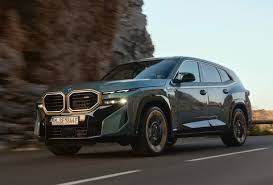
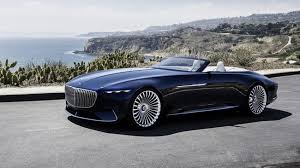
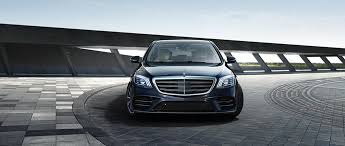
The electric SUV segment is becoming increasingly vital for luxury brands, blending utility with environmental consciousness. BMW’s iX continues to be a standout performer in 2025. Despite its polarizing initial design, its performance, spacious and minimalist interior, and intuitive iDrive system win over critics and buyers alike. Its robust acceleration and comfortable ride make it a versatile choice for families and solo adventurers. BMW’s planned expansion of its iX lineup, potentially with more trim levels and battery options for 2025, further strengthens its position.
Mercedes-Benz fields the EQB, EQE SUV, and EQS SUV. While the EQB offers a practical electric interpretation of the GLB, and the EQE/EQS SUVs provide elegant cabins and smooth rides, they sometimes struggle with range or cargo capacity compared to rivals. The sheer innovation and balanced execution of the iX in terms of power, practicality, and technology place it ahead. For those considering luxury vehicle leasing for an EV SUV, the iX often presents a strong value proposition due to its blend of cutting-edge features and brand cachet.
Luxury Large Sedans: Flagship Supremacy
Winner: Mercedes-Benz
When it comes to the pinnacle of automotive luxury sedans, the battle between the BMW 7 Series and the Mercedes-Benz S-Class is legendary. In 2025, the S-Class maintains its reign as the gold standard for executive comfort and technological opulence. Its cabin is a sanctuary, cocooning occupants from the outside world with exquisite materials, unparalleled ride quality, and the most advanced MBUX system yet. The S-Class anticipates commands, responds to nuanced voice prompts (“Hey Mercedes”), and offers a level of refinement that few can match. For many, the S-Class isn’t just transportation; it’s a statement of ultimate luxury and prestige, making it a top contender in high-end luxury vehicle reviews.
The 7 Series, with its bold styling and driver-centric approach, finishes a very close second. It offers more engaging handling than the S-Class, appealing to those who still wish to drive their flagship sedan. Its powerful engine options, including refined PHEVs, and advanced iDrive system are commendable. However, for sheer, unadulterated comfort and a peerless passenger experience, the S-Class remains the benchmark in 2025. This segment often sees luxury car depreciation as a key factor, with the S-Class often holding its value slightly better over the long term due to its enduring reputation.
Luxury Large SUVs: Grand Scale Utility
Winner: BMW
For families and individuals who demand expansive space without compromising on luxury, the large SUV segment is crucial. BMW’s X7 shines here, effectively scaling up the best attributes of BMW SUVs into a refined three-row hauler capable of seating seven adults in comfort. Its striking interior design, advanced iDrive integration, and surprisingly agile handling for its size make it a compelling choice. By 2025, enhancements to its driver-assistance systems and potentially more efficient mild-hybrid powertrains will further solidify its appeal.
Mercedes-Benz counters with the GLS and the iconic G-Class. The GLS is a direct competitor to the X7, offering a supremely comfortable ride and an upscale cabin. The G-Wagen, while undeniably charismatic and an off-road legend, sacrifices some on-road comfort and utility for its rugged persona, making it a niche, albeit highly desirable, choice. For the everyday blend of luxury, space, and dynamic performance, the X7 emerges as the more balanced and ultimately more versatile package for the mainstream luxury large SUV buyer in 2025. Premium SUV comparison often highlights the X7’s blend of practicality and driving dynamics.
Luxury Midsize Sedans: The Heart of the Portfolio
Winner: Tie
The midsize luxury sedan segment is a perennial battleground, where the BMW 5 Series and the Mercedes-Benz E-Class have long defined the category. In 2025, this rivalry results in a virtual tie, as both models have evolved to cater to diverse preferences. The E-Class continues to impress with its exquisitely comfortable ride, cutting-edge technology, and a cabin that often feels a step above its class. Its refined driver-assistance suite, expected to include more advanced Level 2+ capabilities by 2025, offers a supremely relaxing driving experience. The new CLE, effectively replacing the C-Class coupe and E-Class coupe/convertible, offers a handsome two-door option with robust powertrains.
The 5 Series, redesigned for 2024 and further refined for 2025, has traditionally been the sportier option. While some purists may note a slight softening of its legendary steering feedback, it still offers a potent blend of performance, technology, and sophisticated comfort. Its range of engines, including robust PHEV and fully electric i5 variants, provides unparalleled choice. The decision between these two often comes down to personal driving philosophy: pure comfort and tech (E-Class) versus dynamic engagement with high-tech integration (5 Series). Both represent excellent value in luxury sedan ownership.
Luxury Midsize SUVs: The Everyday Executive
Winner: Mercedes-Benz
The midsize luxury SUV segment is arguably the most competitive, appealing to a broad spectrum of buyers. For 2025, the Mercedes-Benz GLE stands tall. Its spacious, meticulously crafted cabin masterfully integrates modern technology without being overwhelming, a common pitfall in high-tech interiors. With standard all-wheel drive, an even more refined infotainment system, and a strong push towards advanced plug-in hybrid models for 2025, the GLE offers a compelling blend of comfort, capability, and efficiency. Its ride quality is exceptionally smooth, making long journeys effortless.
BMW’s X5 is an equally revered competitor, known for its upscale interior and more athletic handling. It continues to be a favorite for those who prioritize a dynamic driving experience in an SUV. The X5’s proactive feature updates, such as active lane-change assist becoming more widely available for 2025, keep it at the forefront of advanced driver assistance systems luxury cars. BMW also offers the X6, the coupe-SUV variant, while Mercedes-Benz counters with the GLE Coupe. Ultimately, the GLE’s overall refinement, seamless tech integration, and slightly superior passenger comfort give it a narrow victory.
Luxury Small Sedans/Coupes: Enthusiast Entry Points
Winner: BMW
For many, the small luxury sedan segment represents the quintessential driving experience, where agility and engagement are paramount. The BMW 3 Series has long been the benchmark, and in 2025, it continues its legacy. Its powerful engines, balanced chassis, and communicative steering make it an absolute joy to drive, living up to its heritage. The spacious interior and practical trunk further enhance its appeal as a daily driver. BMW also offers the sporty 2 Series coupe and the versatile 4 Series (coupe, convertible, Gran Coupe), providing a range of enthusiast-focused options.
Mercedes-Benz offers the C-Class and the stylish CLA. The C-Class provides a supremely comfortable and refined experience with a beautiful interior that mirrors its larger siblings. However, it often sacrifices some of the raw driving engagement found in the 3 Series. The CLA, while nimble and packed with tech, serves as more of a style-forward entry point. For the pure thrill of driving and a wide breadth of performance options, BMW’s smaller cars remain the segment leader in 2025. BMW M-series price options for performance variants also highlight the brand’s commitment to driving pleasure.
Luxury Sports Cars: Pure Adrenaline
Winner: BMW
In the realm of dedicated luxury sports cars, where performance and driver connection reign supreme, BMW holds a distinct advantage in 2025, largely due to its extensive M division. The M3 and M4 continue to be revered performance icons, delivering blistering acceleration, razor-sharp handling, and a visceral driving experience. The M2 encapsulates BMW’s performance heritage in its purest form – compact, powerful, and immensely engaging. For open-air exhilaration, the Z4 offers a compelling blend of style and sportiness. These models are the embodiment of high-performance luxury.
Mercedes-Benz counters with its formidable AMG GT and the elegant SL roadster. The AMG GT is an exciting, track-focused machine, while the SL offers a grand-touring experience with a focus on luxury and comfort. However, BMW’s broader range of performance-tuned vehicles, integrated seamlessly into its core lineup yet highly specialized, offers more choices for varying degrees of driving enthusiasts. The depth of BMW’s performance engineering, particularly in its M variants, provides a slight edge in this high-stakes segment.
Luxury Subcompact SUVs: Style Meets Practicality
Winner: BMW
At the entry level of the luxury SUV market, subcompacts blend urban agility with premium features. For 2025, the BMW X1 stands out as a clear leader. It makes excellent use of its footprint, offering a surprisingly spacious and well-crafted cabin with a long list of standard features. Its handling strikes an ideal balance between comfort for daily commuting and responsiveness for spirited driving. The X2, with its coupe-like styling, offers an alternative for those prioritizing aesthetics over ultimate cargo volume, while still delivering a fun and functional experience.
The Mercedes-Benz GLA is a strong contender, offering an upscale cabin and an engaging driving experience. However, it sometimes falls short in cargo space and overall refinement compared to the X1. While the GLA is a stylish urban warrior, the X1’s superior practicality and more balanced driving dynamics give it the edge in this increasingly popular segment. These models are crucial for capturing new buyers, and the X1’s comprehensive package makes it an attractive entry point into the exclusive luxury ownership experience.
Deep Dive into Key Differentiators for 2025
Beyond segment-specific battles, it’s crucial to evaluate how these brands stack up on broader ownership aspects that are increasingly important in 2025.
Safety & Driver Assistance
Winner: BMW
Both BMW and Mercedes-Benz lead the industry in safety, offering comprehensive suites of active and passive safety technologies. Their vehicles consistently achieve top safety ratings. By 2025, the proliferation of advanced driver-assistance systems (ADAS) is universal, with features like enhanced adaptive cruise control, lane-keeping assist, and automated parking becoming standard or widely available. BMW’s integration of these systems often feels more intuitive and less intrusive, maintaining the driver’s connection while providing a robust safety net. Models like the 2 Series, 3 Series, 5 Series, and X3 consistently earn top marks from safety organizations. While Mercedes-Benz’s ADAS suite is equally capable, BMW’s slightly more refined implementation and broader evaluation coverage across its newer models give it a marginal win. The push towards Level 3 autonomy in specific conditions will intensify, with both brands investing heavily in this cutting-edge infotainment and safety integration.
Performance & Driving Dynamics
Winner: BMW
This is BMW’s traditional stronghold, and in 2025, it continues to excel. Across its internal combustion, hybrid, and electric lineups, BMW vehicles are engineered to engage the driver. From the agile 3 Series to the commanding 7 Series and the exhilarating M performance models, the brand’s commitment to dynamic driving is evident. Its electric models, like the i4, i7, and iX, also demonstrate a keen understanding of how to translate electric power into thrilling performance. Mercedes-Benz offers compelling performance, particularly through its powerful AMG division, and models like the S-Class and EQS Sedan offer impressive power. However, for a consistent emphasis on the joy of driving across its entire portfolio, BMW retains its title as the best performance luxury SUV and sedan maker.
Reliability & Ownership Experience
Winner: BMW
Reliability is a critical factor for luxury car ownership costs. Historically, both German brands have had mixed reputations, but recent years show significant improvements. In 2025, based on predictive reliability scores and broader data availability, BMW models generally score better. The X1, X3, 2 Series, and 7 Series consistently earn “Great” predicted reliability scores from independent evaluators. While Mercedes-Benz also offers solid reliability, especially in its E-Class, GLA, and GLE, BMW has a greater number of models with publicly reported strong scores. Both brands offer competitive four-year/50,000-mile powertrain warranties, with Mercedes-Benz offering a longer battery warranty on its EVs (10-year/155,000-mile) compared to BMW’s (8-year/100,000-mile). Considering certified pre-owned luxury cars, both offer robust programs, but BMW’s slightly higher overall brand reliability average gives it a slight edge for long-term ownership peace of mind.
Interior & Technology
Winner: Mercedes-Benz
If BMW dominates performance, Mercedes-Benz defines interior luxury. In 2025, Mercedes-Benz continues to set the industry benchmark for automotive interiors. Whether it’s the GLE, GLS, E-Class, or the S-Class, the fit, finish, and material quality are consistently exceptional. Their cabins are meticulously designed, blending ergonomic functionality with sumptuous materials and ambient lighting to create a truly immersive and luxurious environment. The MBUX infotainment system, especially with the Hyperscreen option, offers a visually stunning and highly functional digital experience, though it can have a steeper learning curve.
BMW has made significant strides in interior design and technology, particularly with the X1, X3, and i7, which boast outstanding build quality and intuitive iDrive systems (like the iDrive 9). However, across its broader lineup, Mercedes-Benz generally offers a more consistently opulent and visually striking interior, often feeling a tier above in terms of perceived luxury and comfort. This is where Mercedes-Benz truly excels, appealing to those who prioritize the sanctuary and technological marvel of their car’s cabin.
The Verdict: Defining Luxury in 2025
Overall Winner: BMW
After a thorough segment-by-segment analysis and a deep dive into the core tenets of these two automotive powerhouses, BMW emerges as the overall winner in 2025. While both brands offer exceptional products, BMW demonstrates a more consistent ability to blend its traditional strengths in performance and driving dynamics with an increasingly refined approach to luxury, technology, and electric vehicle innovation across a broader range of segments. BMW’s vehicles, from their entry-level models to their flagships, offer a compelling balance of driver engagement, sophisticated design, and cutting-edge features. Their electric vehicle strategy is robust, delivering engaging and practical options.
Mercedes-Benz remains an undisputed master of comfort, interior opulence, and pioneering technology, particularly evident in its S-Class and many of its EQ models. For buyers who prioritize a serene, chauffeur-like experience and a truly stunning cabin, Mercedes-Benz is often the superior choice.
However, for the discerning individual navigating the complexities of 2025’s luxury automotive market – seeking a vehicle that excites, offers cutting-edge tech, provides practical utility, and promises strong reliability across a diverse portfolio – BMW currently holds the edge. The “Ultimate Driving Machine” has evolved, proving it can be simultaneously refined, modern, and thrilling.
Ready to Experience German Engineering Firsthand?
The best way to truly understand which luxury titan aligns with your personal preferences for 2025 is to experience them yourself. We invite you to explore the latest models from both BMW and Mercedes-Benz, comparing their innovative features, dynamic performance, and luxurious interiors. Visit your local dealership experience luxury brands to schedule a test drive, or consult with our experts to discuss luxury car financing options and total cost of ownership for these exceptional vehicles. Your perfect luxury ride for 2025 awaits.