
The German Titans of Luxury: BMW vs. Mercedes-Benz in 2025 – An Expert’s Deep Dive
As a seasoned veteran navigating the ever-evolving landscape of luxury automobiles for over a decade, few rivalries captivate enthusiasts and discerning buyers quite like BMW versus Mercedes-Benz. These two titans of German engineering have not merely defined premium motoring; they’ve consistently pushed the boundaries of innovation, performance, and opulent comfort. In 2025, with the automotive industry undergoing its most radical transformation yet, the stakes are higher, and the distinctions are more refined than ever.
For years, the narrative was clear: BMW, “The Ultimate Driving Machine,” championed dynamic performance and driver engagement, while Mercedes-Benz, with its unwavering commitment to “The Best or Nothing,” set the gold standard for serene luxury and technological sophistication. But as electrification accelerates and digital integration becomes paramount, both brands are evolving, often blurring these once-distinct lines. The question isn’t just about choosing a luxury car; it’s about investing in a lifestyle, a statement, and a vision of future mobility.
If you’re embarking on the exciting journey of selecting a premium vehicle, understanding the nuanced strengths of these two formidable brands is essential. Forget the fleeting trends; let’s delve into what truly matters in 2025 across every critical segment, revealing which German powerhouse truly leads the charge into the next generation of automotive excellence.
Redefining Entry: Luxury Subcompact SUVs (2025 Outlook)
The entry point into luxury SUV ownership has become a crucial battleground, offering a taste of premium without the full-size price tag. In 2025, both BMW and Mercedes-Benz continue to refine their offerings here.
BMW’s X1 and its stylish coupe counterpart, the X2, maintain their strong positions. The 2025 X1, potentially seeing further digital upgrades and possibly a more potent plug-in hybrid option, continues to impress with its intelligent packaging, surprisingly spacious and well-appointed cabin, and agile handling that belies its compact footprint. For urban dwellers seeking a blend of practicality, contemporary design, and engaging driving dynamics, the X1 remains a compelling proposition. Its robust standard feature list and intuitive iDrive infotainment system make it a smart choice for those prioritizing a modern, user-friendly experience.
Mercedes-Benz counters with the GLA and GLB. The GLA, updated for 2025 with potential MBUX enhancements and efficiency improvements, is known for its distinctive styling and a cabin that feels more upscale than its dimensions suggest. The GLB continues to offer unique versatility with its available third-row seating – a rarity in this segment – making it an attractive option for small families needing occasional extra capacity. While both offer a comfortable ride and access to Mercedes’ cutting-edge MBUX system, they often lean slightly more towards comfort over the sheer athleticism found in their BMW rivals. For buyers seeking a plush interior and a tech-forward experience, the GLA and GLB hold their own.
Verdict: BMW retains a slight edge here. The X1, especially with its balanced blend of driving enjoyment, practical space, and premium feel, often resonates more broadly with buyers in this segment.
The Heart of the Market: Luxury Compact SUVs (2025 Outlook)
Moving up to the compact luxury SUV segment, we find the core of both brands’ SUV sales. This category demands versatility, performance, and family-friendly appeal.
The BMW X3, a perennial bestseller, is expected to receive significant updates for 2025, potentially hinting at a new generation or a substantial refresh that further integrates the brand’s “Neue Klasse” design cues and digital architecture. Its reputation for strong powertrains, sharp handling, and a sophisticated interior remains intact. BMW’s commitment to driving pleasure shines through, even in a family hauler. The X4, its “coupe” sibling, continues to appeal to those who prioritize style and dynamic aesthetics without sacrificing too much practicality. For buyers seeking a truly engaging drive with premium features and robust performance luxury SUV capabilities, the X3 remains a benchmark.
Mercedes-Benz offers the GLC and the more utilitarian GLB (also discussed in subcompact). The GLC, refined with its latest generation, offers an exquisite cabin, a remarkably comfortable ride, and highly efficient powertrains, including strong hybrid options. Its MBUX infotainment system is intuitive and visually stunning, making the interior a truly inviting space. The GLC embodies Mercedes’ philosophy of refined luxury, prioritizing passenger comfort and high-end materials.
Verdict: BMW slightly leads. While the GLC is undeniably elegant and comfortable, the X3’s blend of athletic handling, potent engine options, and evolving tech often makes it the more complete package for a wider range of drivers.
Electrifying the Family: Luxury Electric SUVs (2025 Outlook)
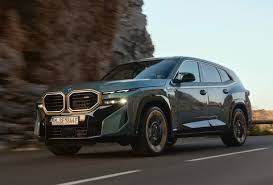
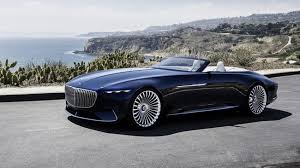
The electric SUV segment is booming, and both BMW and Mercedes-Benz are aggressively expanding their portfolios. This is where innovation in battery technology, charging infrastructure, and sustainable materials truly shines.
BMW’s flagship electric SUV, the iX, will likely see minor updates for 2025, continuing to be a bold statement in design and technology. Its radical exterior hides a supremely comfortable, spacious, and futuristic cabin, brimming with cutting-edge tech and sustainable materials. The iX delivers exhilarating acceleration and a remarkably smooth ride, proving that electric can be truly luxurious and engaging. Its strong range figures and rapid charging capabilities cement its appeal for those considering premium EV technology.
Mercedes-Benz fields a more diverse (and sometimes confusing) lineup with the EQB, EQE SUV, and EQS SUV. By 2025, expect a clearer distinction and potential refinements to their charging curves and software. The EQB, an electric counterpart to the GLB, offers a practical, albeit less opulent, entry into the EQ family. The EQE SUV provides a well-rounded electric luxury experience with its elegant interior and serene driving dynamics. The flagship EQS SUV, with its Hyperscreen and unparalleled cabin comfort, represents the pinnacle of Mercedes’ electric SUV offering, though its electric vehicle range can sometimes be a point of discussion compared to certain rivals, and its price tag is substantial. Mercedes prioritizes a whisper-quiet ride and plush amenities, often at the expense of outright cargo volume in the EQE/EQS SUV models.
Verdict: BMW maintains the lead. The iX, with its audacious design, strong performance, and advanced integration of sustainability, offers a more cohesive and compelling electric SUV experience for 2025.
The Executive Standard: Luxury Midsize Cars (2025 Outlook)
The midsize luxury sedan has long been a cornerstone, balancing executive presence with everyday usability.
The BMW 5 Series, having undergone a significant redesign for 2024 and likely seeing continued rollout of new variants in 2025 (including the electric i5), remains a formidable contender. While some purists argue it has softened slightly from its “ultimate driving machine” roots, the current 5 Series is more refined, technologically advanced, and comfortable than ever. It offers a broad range of powerful and efficient powertrains, and the i5 ensures it’s future-proofed. Its interior technology, centered around the latest iDrive, is impressive, though it demands a bit of a learning curve. For buyers seeking a versatile, high-performance luxury sedan with diverse powertrain options, the 5 Series is compelling.
Mercedes-Benz’s E-Class continues its legacy as the epitome of sophisticated midsize luxury. The 2025 E-Class, having recently undergone a full redesign, boasts an interior that borders on S-Class levels of opulence, complete with an advanced MBUX infotainment system and potentially more AI integration. Its ride is supremely comfortable, isolating occupants from the outside world with remarkable effectiveness. The E-Class also packs a comprehensive suite of advanced driver-assistance systems, making long journeys effortless. The CLE, a stylish coupe/convertible replacement for the C-Class and E-Class two-doors, also offers a handsome, refined experience for those wanting a sportier aesthetic.
Verdict: A compelling tie. The choice here comes down to philosophy. If driver engagement and powertrain variety are paramount, BMW’s 5 Series (and i5) shines. If unparalleled comfort, interior luxury, and cutting-edge intuitive tech are the priority, the Mercedes E-Class is unrivaled.
Family Flagships: Luxury Midsize SUVs (2025 Outlook)
This segment is crucial for families who demand both luxury and practicality, often serving as the primary vehicle.
The Mercedes-Benz GLE, a benchmark in this class, is expected to continue its reign. Its spacious and meticulously crafted interior, seamlessly blending modern technology with ergonomic design, remains a highlight. The 2025 GLE will likely continue to offer an array of powertrains, including enhanced mild-hybrid and plug-in hybrid options, providing a refined and efficient driving experience. Its ride quality is superb, absorbing road imperfections with grace. The GLE consistently sets the standard for family luxury SUV comfort and technological integration. Mercedes also offers the GLE Coupe, a stylish alternative for those wanting a sportier profile.
BMW counters with the X5, a long-time favorite for its athletic handling and robust engine choices. The 2025 X5, potentially featuring further enhancements to its driver-assistance systems (like active lane-change assist) and digital interface, offers a more dynamic driving experience than its Mercedes rival. Its interior is upscale and driver-focused, with excellent build quality. The X6, the X5’s coupe-SUV variant, continues to carve out a niche for those prioritizing aggressive styling.
Verdict: Mercedes-Benz takes the lead. While the X5 is an outstanding choice for drivers, the GLE’s superior comfort, sophisticated interior, and seamless technology integration make it a marginally more compelling package for the typical midsize luxury SUV buyer prioritizing family and refinement.
Grand Tourers and Status Symbols: Luxury Large Cars (2025 Outlook)
Stepping into the full-size luxury sedan segment means entering the realm of ultimate comfort, advanced technology, and executive presence.
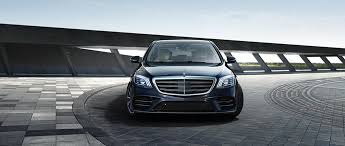
The Mercedes-Benz S-Class remains the undisputed king here. For 2025, the S-Class continues to set global standards for luxury, innovation, and safety. Its cabin is a sanctuary, shielding occupants from the outside world with unparalleled quietness and material opulence. The MBUX infotainment system, potentially updated with more predictive AI capabilities, is incredibly advanced and user-friendly, responding to natural voice commands with uncanny accuracy. The S-Class isn’t just a car; it’s a mobile executive lounge, offering cutting-edge connected car features and an unmatched level of ride comfort.
BMW’s 7 Series, significantly redesigned and polarizing in its styling, offers a distinctly modern and tech-forward take on the full-size luxury sedan. The 2025 7 Series (and its electric sibling, the i7) boasts an incredibly powerful infotainment system, a cinema-like rear-seat experience, and a surprisingly engaging driving dynamic for its size. While it might have a steeper learning curve for its tech compared to the S-Class, it offers a bolder, more driver-centric approach to executive luxury.
Verdict: Mercedes-Benz reigns supreme. The S-Class’s legendary comfort, timeless elegance, and pioneering technology consistently make it the benchmark for the entire industry.
Commanding Presence: Luxury Large SUVs (2025 Outlook)
For those needing maximum space, capability, and uncompromised luxury in an SUV, this segment delivers.
The BMW X7 continues to impress by scaling up the brand’s core attributes into a truly grand, three-row machine. The 2025 X7, potentially with further interior material upgrades and digital refinements, offers a sharp, contemporary cabin with ample comfort for up to seven adults (especially in the first two rows). Its commanding driving position, powerful engine options, and surprisingly nimble handling for its size make it a favorite for those who still appreciate a driver-focused experience in a large SUV. The latest iDrive system, though powerful, might still present a brief adjustment period.
Mercedes-Benz offers the GLS, a direct competitor to the X7, and the iconic, rugged G-Class. The GLS, with its opulent cabin, refined ride, and comprehensive suite of features, is a true “S-Class of SUVs.” It prioritizes passenger comfort and a serene atmosphere, making long journeys effortless. The G-Class, while undeniably a luxury icon, remains a niche choice, prioritizing off-road prowess and distinctive styling over the kind of on-road refinement expected of a typical luxury SUV.
Verdict: BMW slightly edges out. The X7’s harmonious blend of luxury, dynamic handling, and genuine three-row practicality often makes it a more well-rounded choice for the segment, particularly for those seeking a more engaging drive.
The Original Luxury Sport Sedan: Luxury Small Cars (2025 Outlook)
This segment is where BMW forged its legend with “The Ultimate Driving Machine.”
The BMW 3 Series, especially with its potent M Performance variants, continues to be the benchmark for small luxury sport sedans. The 2025 3 Series, with iterative updates to its digital cockpit and powertrains, promises to remain a joy to drive, balancing everyday usability with exceptional agility and powerful engines. Its responsive steering and balanced chassis make it a driver’s delight. BMW also offers the highly sporty 2 Series Coupe and the diverse 4 Series (coupe, convertible, Gran Coupe), catering to various tastes for compact performance luxury.
Mercedes-Benz counters with the C-Class, which for 2025, likely continues to offer a more comfort-oriented and technologically advanced interior, heavily inspired by the S-Class. The C-Class provides a plush ride and access to the impressive MBUX system, making it a comfortable and connected cruiser. While capable, it generally doesn’t offer the same level of direct driver engagement as its BMW counterpart. The entry-level CLA, with its sleek “four-door coupe” styling, appeals to a younger demographic seeking a stylish and tech-packed package.
Verdict: BMW takes the win. For drivers who value the core tenets of performance, agility, and a direct connection to the road, the 3 Series and its compact siblings remain the superior choice.
Thrill Seekers: Luxury Sports Cars (2025 Outlook)
When the goal is pure driving exhilaration, both brands offer compelling machines, though with different philosophies.
BMW continues to excel in performance variants. The M2, M3, and M4, for 2025, will continue to push the boundaries of sport sedan and coupe performance, offering blistering acceleration, track-honed handling, and an incredible array of customizable driving modes. These are cars designed for visceral enjoyment. The Z4 Roadster, a collaboration with Toyota, provides open-air thrills with a blend of comfort and athleticism. BMW’s M division consistently delivers on the promise of high-performance luxury.
Mercedes-Benz, through its AMG division, offers dedicated sports cars like the AMG GT, expected to evolve with new variants for 2025. The AMG GT is a sensational machine, delivering raw power and a thunderous soundtrack. The SL Roadster, a grand touring convertible, blends performance with supreme comfort, making it ideal for longer, spirited drives. Mercedes’ offerings here are often more dramatic in styling and a bit more unadulterated in their performance focus.
Verdict: BMW edges out. While Mercedes-AMG offers phenomenal dedicated sports cars, BMW’s broad spectrum of highly capable and accessible performance models (M2, M3, M4) often appeals to a wider range of enthusiasts looking for an “everyday supercar” feel.
Electrifying Performance: Luxury Electric Cars (2025 Outlook)
The future of high-performance luxury is electric, and both brands are aggressively staking their claims.
BMW’s electric “i” sub-brand is growing formidable. The i4, essentially an electric 4 Series Gran Coupe, delivers an engaging driving experience with impressive performance and range, often feeling more like a traditional BMW than many rivals. The i7, the electric sibling to the 7 Series, is a true electric flagship, combining bold styling with silent, dominant performance and a supremely luxurious cabin. BMW’s strategy of offering electric versions of its core models often makes the transition to EV feel more natural for existing brand loyalists. Their focus on integrating electric powertrains without sacrificing handling dynamics is clear.
Mercedes-Benz has its EQE Sedan and EQS Sedan. By 2025, expect potential refreshes to further refine their software and charging capabilities. Both offer incredibly serene driving dynamics, plush, silent cabins, and advanced MBUX Hyperscreen technology. The EQS Sedan, in particular, showcases Mercedes’ commitment to electric luxury with its aerodynamic design and opulent interior. While their performance is strong, the primary focus remains on comfort and a smooth, isolated ride.
Verdict: BMW leads. The i4 and i7 offer a more direct, engaging driving experience that aligns with BMW’s performance heritage, even in an electric format. Mercedes-Benz excels in electric comfort, but BMW makes the electric transition feel more like an enhancement of the driving machine.
Beyond the Segments: Cross-Category Considerations for 2025
Safety & Driver Assistance
In 2025, both BMW and Mercedes-Benz are at the forefront of automotive safety and advanced driver assistance systems luxury cars. They offer comprehensive suites that go beyond basic features, including highly sophisticated adaptive cruise control, lane-keeping assist, automated parking, and advanced collision avoidance systems. Many of these systems leverage AI for predictive capabilities, anticipating hazards before they fully manifest. Both brands consistently earn top safety ratings for their conventional vehicles. For EVs, as more models undergo rigorous testing, expect similar top-tier results. Mercedes’ “PRE-SAFE” system, which prepares the car for an imminent collision, is a notable differentiator, while BMW’s active safety features are seamlessly integrated for the driver.
Verdict: A virtual tie. Both brands offer world-class safety, with subtle philosophical differences in implementation.
Performance & Driving Dynamics
This has historically been BMW’s stronghold, and in 2025, it largely remains so. From the agile 3 Series to the commanding X7, BMW vehicles are engineered to connect the driver to the road. Their powertrains, whether conventional, hybrid, or electric, are tuned for responsive acceleration and exhilarating power delivery. The M division offerings represent the pinnacle of this philosophy, providing track-ready performance in street-legal packages. Mercedes-Benz, particularly through its AMG division, offers incredibly potent vehicles. However, across the general lineup, Mercedes often prioritizes a smooth, effortless, and refined ride over outright sportiness.
Verdict: BMW takes the crown. For the sheer joy of driving, the visceral feedback, and the athletic prowess across its range, BMW maintains its reputation as the “Ultimate Driving Machine.”
Reliability & Ownership Experience
Reliability data can be a mixed bag for luxury brands, as complex technologies can sometimes lead to minor issues. However, both BMW and Mercedes-Benz have made significant strides in overall quality and resale value luxury cars. By 2025, expect further improvements in software stability and component longevity. Both brands offer competitive four-year/50,000-mile comprehensive warranties. For electric vehicles, battery warranties are exceptional: BMW offers eight years/100,000 miles, while Mercedes-Benz provides an impressive ten years/155,000 miles, reflecting confidence in their EV powertrains. The luxury car maintenance costs can be higher for both brands compared to mass-market vehicles, but service networks are extensive, ensuring quality care.
Verdict: BMW holds a slight edge. Historically, BMW has often shown slightly stronger overall predicted reliability scores across a wider range of models.
Interior & Technology
If BMW is the performance brand, Mercedes-Benz remains the undisputed champion of the interior. In 2025, Mercedes’ cabins are veritable showcases of luxury car interior design trends, materials science, and digital integration. From the multi-screen MBUX Hyperscreen to the ambient lighting and exquisite material combinations (leather, wood, metal, sustainable textiles), Mercedes consistently sets the benchmark for opulent comfort and sensory delight. Their seats are arguably the most comfortable in the industry, and the overall fit and finish are superb.
BMW’s interiors, while excellent in their own right, tend to be more driver-focused and ergonomically precise. Models like the i7 and X1 have pushed boundaries with their modern designs and high-quality build. The iDrive system, though powerful, requires a slightly steeper learning curve than MBUX’s intuitive voice controls and haptic feedback. BMW interiors are sophisticated and well-crafted, but they often lack the sheer “wow” factor and plushness of Mercedes-Benz.
Verdict: Mercedes-Benz is the clear winner. For unparalleled comfort, breathtaking design, and seamless technological integration, Mercedes-Benz interiors remain the gold standard.
The Final Tally: Which German Icon Reigns Supreme in 2025?
After a decade witnessing these automotive giants clash, the conclusion in 2025 is as nuanced as the cars themselves. Both BMW and Mercedes-Benz offer exceptional vehicles, pushing the boundaries of what’s possible in luxury, technology, and performance.
However, based on a holistic assessment across the widest range of segments and criteria, particularly factoring in their evolving electric lineups and sustained commitment to core brand values, BMW emerges with a narrow lead.
BMW has successfully evolved its “Ultimate Driving Machine” philosophy to embrace electrification without sacrificing driver engagement. Its diverse portfolio of vehicles consistently delivers on performance, whether in traditional combustion, hybrid, or full-electric guise. BMW’s knack for creating vehicles that are engaging to drive while simultaneously being refined, technologically advanced, and well-packaged, gives it an edge in more categories.
Mercedes-Benz, on the other hand, continues to redefine luxury and comfort. Its interiors are truly world-class, often setting the industry benchmark, and its vehicles offer a serene, opulent experience that few can match. For buyers prioritizing ultimate comfort, cutting-edge yet intuitive infotainment, and a sense of sophisticated tranquility, Mercedes-Benz is an unparalleled choice.
As the automotive world races towards an electric, software-defined future, the ongoing evolution of these two legendary brands will be fascinating to watch. Each represents a pinnacle of German engineering, and the choice between them often boils down to a fundamental preference: do you prioritize the thrill of the drive, or the sanctuary of the cabin?
Ready to experience the future of luxury motoring firsthand? We invite you to explore the latest 2025 models from both BMW and Mercedes-Benz. Visit your local authorized dealerships today to schedule a test drive and discover which German titan truly aligns with your vision of premium driving excellence. Your ultimate luxury vehicle awaits.