
The Enduring Luxury War: BMW Versus Mercedes-Benz in the 2025 Automotive Landscape
In the fiercely competitive realm of premium automobiles, two titans have consistently redefined luxury, performance, and technological innovation: BMW and Mercedes-Benz. For decades, these German powerhouses have not only dominated their respective segments but have also shaped the very expectations of what a high-end vehicle should offer. As we navigate the rapidly evolving automotive landscape of 2025, the rivalry between these marques remains as compelling as ever, marked by a fascinating blend of tradition and pioneering advancements, particularly in electrification and intelligent vehicle systems.
Having spent over ten years immersed in the intricacies of the luxury car market, observing every shift, every model refresh, and every strategic move, what’s clear is that both brands continue to push boundaries. While BMW has long championed the “Ultimate Driving Machine” ethos, emphasizing precision engineering and dynamic handling, Mercedes-Benz has equally committed to “The Best or Nothing,” carving out its niche with unparalleled comfort, opulent interiors, and sophisticated elegance. The 2025 model year, however, sees these distinct philosophies both converging and diverging in fascinating ways, especially as both brands race to electrify their fleets and integrate cutting-edge AI into the driving experience.
This comprehensive analysis delves into the heart of this iconic rivalry, comparing BMW and Mercedes-Benz across every significant segment. From the most sought-after luxury compact SUVs to the pinnacle of electric mobility and the most extravagant flagship sedans, we’ll dissect where each brand shines, who holds the competitive edge in 2025, and what these choices mean for discerning buyers. If you’re pondering your next luxury acquisition, understanding these nuances is paramount.
Luxury Compact SUVs: Agility Meets Practicality
The luxury compact SUV segment remains a cornerstone for both brands, blending urban maneuverability with premium comfort. In 2025, BMW continues to impress with the BMW X3, maintaining its reputation for a dynamic driving experience coupled with a surprisingly spacious and well-appointed cabin. The latest X3 models boast an updated iDrive infotainment system and a range of potent powertrains, including robust plug-in hybrid options that significantly enhance fuel efficiency without sacrificing performance. Its athletic handling and responsive steering continue to make it a driver’s favorite.
Mercedes-Benz counters with its popular GLC-Class, offering a more comfort-oriented ride and an interior that feels a step above, especially with the available MBUX Hyperscreen. While the GLC emphasizes serene cruising and high-tech cabin amenities, its handling, while refined, doesn’t quite match the X3’s sporty agility. The GLB, with its optional third row, offers unparalleled versatility for its class, though it sacrifices some of the premium feel of its sibling. For 2025, the X3’s balance of engagement and refinement often gives it the lead here, appealing to those who value a truly engaging drive even in a family-friendly package.
Winner: BMW
Luxury Electric Cars: The Silent Revolutionaries
The electric vehicle (EV) revolution has transformed the luxury car landscape, and both BMW and Mercedes-Benz have fully embraced it. In 2025, BMW’s electric sedan lineup, particularly the BMW i4 and i7, demonstrates a clear commitment to performance-oriented EVs. The i4, essentially an electric 4 Series Gran Coupe, delivers thrilling acceleration and precise handling, embodying the brand’s “Ultimate Driving Machine” ethos in an electric format. The i7, BMW’s electric flagship, pairs monumental power with a truly futuristic cabin, boasting features like the available 31-inch Theatre Screen that sets a new benchmark for rear-seat entertainment.
Mercedes-Benz’s EQ series, including the EQE Sedan and EQS Sedan, offers a distinctively different approach. These vehicles prioritize aerodynamic efficiency, whisper-quiet operation, and opulent, lounge-like interiors. The EQS, in particular, showcases the breathtaking MBUX Hyperscreen, creating an immersive digital experience. While supremely comfortable and technologically advanced, their driving dynamics tend to be more insulated, focusing on glide-like serenity rather than direct engagement. For buyers seeking thrilling electric performance and cutting-edge design, BMW’s EV sedans often hold a slight edge in this critical, high-growth segment.
Winner: BMW
Luxury Electric SUVs: Family Haulers Go Green
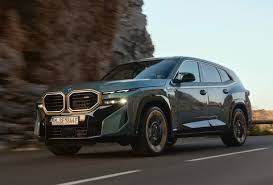
The demand for electric SUVs shows no signs of slowing, and both brands are vying for market dominance. BMW’s iX continues to be a standout, blending unconventional design with impressive performance and a genuinely luxurious, minimalist interior. Its powerful acceleration, robust range, and practical, spacious cabin make it a compelling choice for families seeking a premium electric SUV. The iX also integrates BMW’s latest iDrive system seamlessly, offering intuitive control over its advanced features.
Mercedes-Benz offers a broader, though sometimes confusingly named, array of electric SUVs: the EQB, EQE SUV, and EQS SUV. The EQB provides a more compact, family-friendly option with available third-row seating, inheriting the GLB’s practicality. The EQE SUV and EQS SUV share the luxurious appointments and serene ride quality of their sedan counterparts, with the EQS SUV adding exceptional space and comfort. However, some models have faced criticism for their charging speeds or cargo capacity compared to rivals. BMW’s iX often strikes a more balanced chord between performance, utility, and refined technology in this segment.
Winner: BMW
Luxury Large Cars: Grandeur Redefined
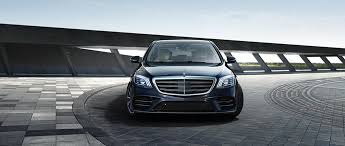
When it comes to the pinnacle of automotive luxury and presence, the large luxury sedan segment is where these brands truly showcase their engineering prowess. In 2025, the Mercedes-Benz S-Class remains the undisputed benchmark. It’s not just a car; it’s a statement—a mobile sanctuary of unparalleled comfort, exquisite materials, and groundbreaking technology. The S-Class cabin virtually cocoons occupants from the outside world, offering features like active road noise cancellation, massage seats, and an intuitive MBUX system that feels more like a personal concierge. Its ride quality is legendary, effortlessly gliding over imperfections.
BMW’s 7 Series offers a bold, often polarizing, take on the luxury flagship. While matching the S-Class in sheer presence and technological sophistication, the 7 Series maintains a distinctly driver-centric focus. Its powerful engines, including the potent M760e plug-in hybrid and the all-electric i7 variant, provide an exhilarating drive that belies its size. The interior is equally lavish, featuring BMW’s curved display and an emphasis on cutting-edge digital experiences. However, for sheer unadulterated opulence and passenger-focused comfort, the S-Class continues its reign. This segment frequently attracts buyers focused on premium car financing rates and dealer incentives on luxury cars for these high-value acquisitions.
Winner: Mercedes-Benz
Luxury Large SUVs: Commanding Presence, Unrivaled Comfort
For those requiring abundant space, commanding road presence, and supreme comfort, large luxury SUVs are the answer. The BMW X7 continues to dominate this space for the Bavarian automaker in 2025. It scales up the best attributes of BMW’s SUV lineup into a grand, three-row machine. With seating for seven and an interior crafted with exceptional materials and precise fit-and-finish, the X7 offers a blend of luxury and surprising agility for its size. Its powerful engines and advanced driver-assistance systems make long journeys effortless.
Mercedes-Benz fields the GLS-Class, a direct rival to the X7, offering a similarly upscale cabin and an incredibly refined, plush ride. The GLS truly excels in passenger comfort, especially in the second and third rows, making it ideal for large families or executive transport. The iconic G-Class (G-Wagen), while immensely capable off-road and boasting an inimitable presence, operates in a different niche. Its rugged, utilitarian roots, while charming, mean it doesn’t quite match the on-road refinement and passenger-focused luxury of the X7 or GLS. When evaluating the core large luxury SUV segment, the X7’s balance of driving dynamics and comfort frequently pushes it ahead. These vehicles are often at the forefront of luxury SUV lease deals.
Winner: BMW
Luxury Midsize Cars: The Heart of the Sedan Market
The midsize luxury sedan segment is where much of the volume and brand identity resides for both manufacturers. In 2025, the Mercedes-Benz E-Class continues its legacy as a pillar of sophisticated refinement. Its cabin is a technological marvel, blending high-definition screens with exquisite materials, creating a serene and intelligent environment. The E-Class ride quality is superbly comfortable, cushioning occupants from road imperfections, while its array of advanced driver-assistance tech offers a glimpse into semi-autonomous driving. Mercedes also offers the elegant CLE, replacing the C and E-Class coupes and convertibles, focusing on style and spirited performance.
BMW’s 5 Series, redesigned for 2024 and refined for 2025, continues to be a formidable contender. While historically lauded for its athletic prowess, the latest iteration places a greater emphasis on comfort and technological integration, broadening its appeal. It still delivers robust performance from a range of gasoline, hybrid, and all-electric (i5) powertrains, offering a dynamic driving experience. The decision between the E-Class and 5 Series often boils down to preference: ultimate comfort and cutting-edge digital integration versus refined athleticism and driver engagement. It’s a perennial battle where both brands stand tall.
Winner: Tie
Luxury Midsize SUVs: The Sweet Spot of the SUV Market
Perhaps the most competitive segment, midsize luxury SUVs offer a compelling blend of practicality, luxury, and performance. In 2025, the Mercedes-Benz GLE-Class shines brightly. Its spacious, opulent cabin effortlessly integrates modern technology without feeling overwhelming. For the 2025 model year, expect further refinements in its powertrain offerings, including enhanced plug-in hybrid options, and even more sophisticated infotainment capabilities. The GLE’s ride is smooth and composed, making it an excellent choice for daily driving and long-distance comfort.
BMW’s X5 is an equally revered nameplate, offering an upscale interior and more athletic handling than its Mercedes counterpart. For 2025, the X5 continues to evolve, adding more advanced semi-autonomous driving features and refining its already potent engine lineup. BMW also offers the X6, a sportier, fastback version of the X5, for those prioritizing style over absolute cargo capacity. Mercedes-Benz also has its coupé variant, the GLE Coupe, offering similar sportiness. While BMW offers incredible dynamics, the GLE’s supreme comfort and sophisticated tech often give it a slight advantage in overall appeal for the broader luxury midsize SUV market.
Winner: Mercedes-Benz
Luxury Small Cars: Entry Point to Excellence
For many, a luxury small car is the first step into the premium segment. BMW’s 3 Series continues to set the standard here in 2025. It’s the quintessential sport sedan, renowned for its engaging driving dynamics, powerful engines, and surprisingly spacious interior. The 3 Series effortlessly blends everyday usability with exhilarating performance, making it a favorite among driving enthusiasts. BMW also offers the sporty 2 Series Coupe and the versatile 4 Series (coupe, convertible, Gran Coupe) for those seeking different body styles with similar driving verve.
Mercedes-Benz offers the C-Class, a compelling rival that leans heavily into comfort, interior luxury, and technological sophistication, mirroring its larger E-Class sibling. While exceptionally comfortable and beautifully appointed, the C-Class doesn’t quite match the 3 Series’ raw driving engagement. The entry-level CLA-Class from Mercedes provides a stylish, tech-rich option with a sleek design. However, for a truly immersive and dynamic driving experience in a compact package, BMW’s lineup generally takes the lead. These models are often sought after by those looking for their first foray into high-performance luxury sedans.
Winner: BMW
Luxury Sports Cars: Adrenaline and Prestige
In the realm of luxury sports cars, the emphasis shifts squarely to performance, precision, and visceral thrills. BMW’s M division continues to produce some of the most respected high-performance machines on the planet. The M3 sedan, M4 coupe, and particularly the agile M2 represent the purest expression of BMW’s performance heritage in 2025, delivering blistering acceleration, razor-sharp handling, and a truly engaging driving experience. For open-air enthusiasts, the BMW Z4 offers a compelling blend of style and spirited performance.
Mercedes-Benz offers its formidable AMG GT series, including the dedicated two-door AMG GT Coupe, which stands as a true sports car, delivering exhilarating performance and a dramatic presence. The Mercedes-AMG SL, while undeniably potent, leans more towards a grand-touring convertible, offering luxurious open-air cruising rather than the outright track-focused aggression of some M models. For pure, unadulterated sports car performance and a broader range of high-octane variants, BMW’s dedicated M lineup often provides a more diverse and arguably more driver-focused experience.
Winner: BMW
Luxury Subcompact SUVs: Maximizing Small Footprints
The subcompact luxury SUV segment caters to urban dwellers who desire a premium vehicle with a compact footprint. In 2025, the BMW X1 stands out as a class leader. It punches above its weight, offering a surprisingly spacious and meticulously crafted cabin, equipped with a generous list of standard features. The X1’s handling perfectly balances comfort and responsiveness, making it a joy to drive in congested city environments. BMW also offers the X2, a sportier, coupe-like variant that sacrifices some utility for style.
Mercedes-Benz offers the GLA-Class, a stylish and nimble subcompact SUV. While its cabin is upscale and it’s enjoyable to drive, it often falls slightly short in terms of cargo capacity and overall refinement compared to the X1. The GLA is a solid contender, but the X1’s superior use of space and well-rounded dynamics frequently give it the edge.
Winner: BMW
Safety: Prioritizing Protection
Both BMW and Mercedes-Benz invest heavily in safety, offering some of the most advanced driver-assistance systems and robust structural integrity in the industry. For 2025, you can expect both brands to continue integrating cutting-edge features like enhanced adaptive cruise control, lane-keeping assist with automatic lane changes, sophisticated automatic emergency braking with pedestrian and cyclist detection, and advanced parking assistance systems.
Historically, BMW models such as the 2-Series, 3-Series, 5-Series, and X3 consistently earn top marks from safety organizations like the IIHS and NHTSA. Mercedes-Benz models like the C-Class, E-Class, GLC, and GLE also perform exceptionally well. While specific 2025 model year ratings may still be pending, BMW consistently brings a broad portfolio of top-rated safety scores, particularly across its core sedan and SUV lineups. The integration of advanced sensors and AI-driven predictive safety features in BMW’s latest models gives it a marginal edge in terms of breadth of evaluated, top-tier safety.
Winner: BMW
Performance: The Thrill of the Drive
Performance, for many luxury buyers, is non-negotiable. BMW’s entire brand identity is built around the driving experience. From the agile 3-Series to the luxurious 7-Series, and across its innovative electric models like the i4, i7, and iX, BMW vehicles are engineered to engage the driver. Their powertrains, whether traditional internal combustion, plug-in hybrid, or all-electric, consistently deliver strong acceleration and precise handling. The M performance division stands as a testament to this commitment, offering unparalleled thrills.
Mercedes-Benz, while often prioritizing comfort, also delivers impressive performance, especially through its AMG division. Models like the S-Class, GT, SL, and EQS sedan all offer considerable power and refined dynamics. However, some entry-level Mercedes models, like the GLA and GLB, tend to prioritize value and comfort over outright performance. While Mercedes-AMG vehicles are truly exceptional, BMW’s broader portfolio across most segments consistently prioritizes and delivers a more dynamic, driver-focused experience straight out of the box. Buyers interested in cutting-edge automotive technology often find performance advancements integral to their decision.
Winner: BMW
Reliability: Long-Term Ownership Confidence
Reliability is a critical factor for luxury vehicle owners, influencing everything from maintenance costs to long-term satisfaction. Both BMW and Mercedes-Benz have made significant strides in improving their reliability scores over the past decade. While individual model scores can fluctuate, BMW has generally shown a more consistent trend of strong predicted reliability across a wider range of its lineup in recent years. J.D. Power scores for models like the X1, X3, 2 Series, and 7 Series have frequently placed them in the “Great” category.
Mercedes-Benz has also seen improvements, with models like the E-Class and GLE often scoring well. However, fewer of their models historically receive published reliability scores, making a direct brand-wide comparison sometimes challenging. For 2025, both brands continue to back their vehicles with competitive four-year/50,000-mile powertrain warranties. Significantly, for their burgeoning EV lineups, BMW electric battery packs typically come with an eight-year/100,000-mile warranty, while Mercedes-Benz often provides a longer 10-year/155,000-mile warranty on its EV batteries, a crucial consideration for luxury electric vehicle ownership costs. Based on the sheer volume of reliably scored models and their consistent performance, BMW often edges out in this metric.
Winner: BMW
Interior & Technology: The Personal Sanctuary
If BMW is the performance brand, then Mercedes-Benz has unequivocally mastered the art of the luxury interior. In 2025, Mercedes-Benz continues to set the industry benchmark for cabin opulence, material quality, and seamless technological integration. Models like the S-Class, E-Class, GLE, and GLS offer interiors that are not just comfortable but genuinely luxurious, with exquisite craftsmanship, premium finishes, and often unique design elements that create a truly upscale ambiance. The MBUX infotainment system, especially with the Hyperscreen, provides an intuitive and visually stunning user experience, often responding to natural voice commands with uncanny accuracy.
BMW has made significant advancements in its interiors, with models like the X1, X3, and i7 showcasing outstanding build quality, comfortable seating, and a more modern, driver-centric design. The iDrive 9 system is highly capable and refined. However, while BMW’s interiors are undeniably premium and technologically advanced, they generally don’t quite reach the same level of sheer sensory indulgence and design artistry that Mercedes-Benz consistently delivers across its range. Mercedes-Benz truly excels in making the cabin a luxurious sanctuary, focusing on top-rated luxury car brands known for their comfort.
Winner: Mercedes-Benz
The Verdict: Who Dominates in 2025?
After meticulously comparing BMW and Mercedes-Benz across a comprehensive spectrum of categories for the 2025 model year, the results reveal a fascinating and often neck-and-neck competition. Both German luxury automakers offer truly outstanding products, pushing the boundaries of what consumers can expect from premium vehicles.
However, based on our segment-by-segment analysis and key metric evaluations, BMW emerges with a slight lead, demonstrating its supremacy in a greater number of categories. BMW consistently excels in delivering a dynamic and engaging driving experience, backed by a strong commitment to performance across its internal combustion and rapidly expanding electric vehicle lineups. Their reliability scores are generally more robust across a wider range of models, and their safety features are top-tier.
Mercedes-Benz, while not taking the overall victory, remains the undisputed champion of interior luxury, comfort, and cutting-edge infotainment. For buyers who prioritize a serene, opulent, and technologically immersive cabin experience above all else, Mercedes-Benz often stands unmatched.
The 2025 automotive landscape is dynamic, with both brands fiercely competing, especially in the burgeoning EV market. While BMW has demonstrated a broader excellence in driving dynamics, performance, and segment-specific wins, Mercedes-Benz continues to define ultimate comfort and interior sophistication. The choice between them often boils down to individual priorities: do you crave the “Ultimate Driving Machine” experience, or do you seek “The Best or Nothing” in luxurious comfort?
Ready to experience the pinnacle of German engineering firsthand? We invite you to explore the latest 2025 BMW and Mercedes-Benz models at your nearest authorized dealership. Uncover the intricate details, feel the refined craftsmanship, and put their legendary performance to the test. Discover personalized luxury vehicle ownership costs and premium car financing options tailored to your desires. Visit today and embark on your journey toward owning the ultimate expression of automotive luxury.